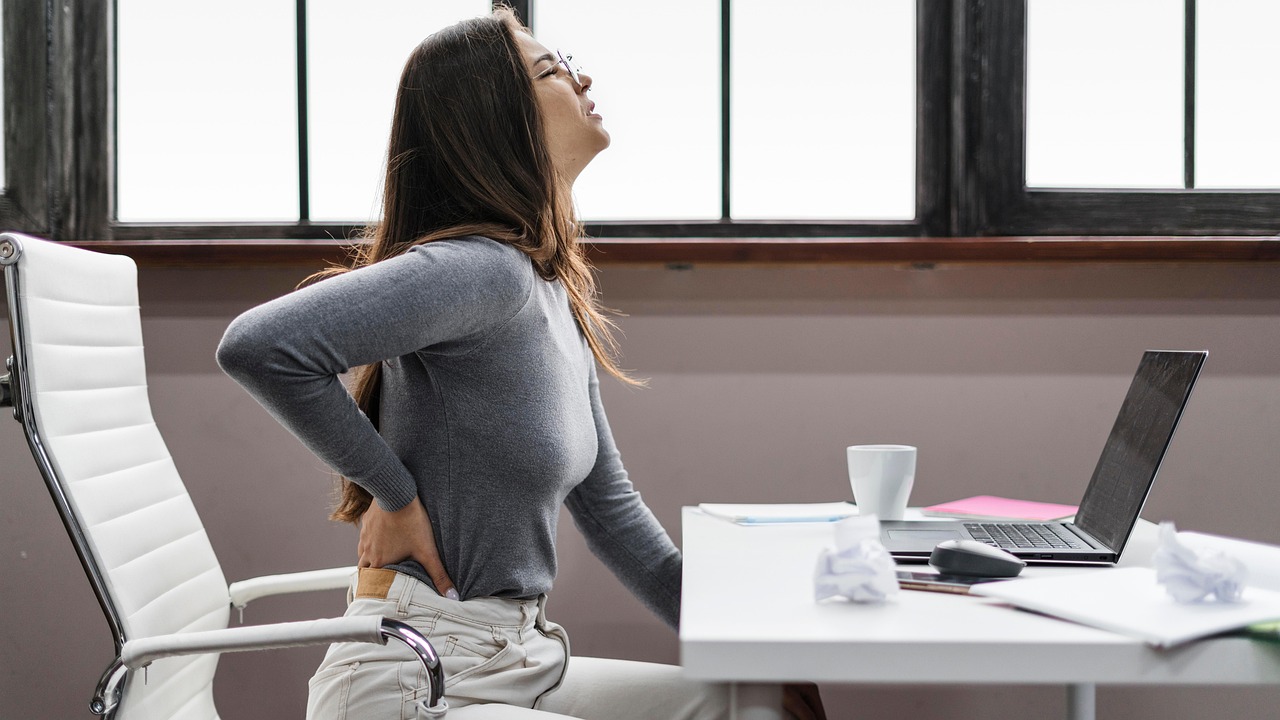
Tired of Back Pain? Start the New Year With Posture & Movement Tweaks That Feel Better Fast
If back pain followed you into this new year, you’re not alone. The frustrating part is that many people try to “fix it” with big goals—new workouts, strict routines, perfect posture—only to quit when life gets busy (or when their back flares up).
Here’s the good news: you don’t need a complete life overhaul to feel improvement. In many cases, the quickest wins come from small posture resets and simple movement tweaks you can repeat every day—especially if you sit a lot, drive often, or feel stiff first thing in the morning.
Below are practical, low-effort changes you can start today—without needing fancy equipment.

The New-Year mindset that helps most: “Better defaults,” not “perfect posture”
A lot of people fail with posture because they treat it like a rule: Sit up straight all day.
The body doesn’t love rigid rules. It loves variety.
A more realistic goal is to build better defaults:
You notice you’re slumping sooner
You reset more often
You move a little more throughout the day
You lift, bend, and reach with less strain
That’s what “sticks” all year.
The 10-second posture reset (use it anytime your back starts complaining)
Think of this as your “New Year reset button.” Do it frequently—especially after sitting, driving, or scrolling.
Feet grounded
Plant both feet. Feel your weight evenly.Ribs over hips
Gently bring your ribcage back so it stacks over your pelvis (no extreme arching or slumping).Unlock your knees
A tiny knee bend helps take pressure off the low back.Long spine + easy shoulders
Imagine your head floating up. Let shoulders drop away from ears.Slow exhale, light brace
Exhale slowly and gently tighten your midsection like you’re zipping up snug jeans (not a hard “crunch”).
Make it automatic: Pair this reset with something you already do—opening your laptop, waiting for coffee, brushing teeth, standing at the sink.

Sitting without paying for it later (desk, couch, and car)
Sitting isn’t “bad.” Sitting too long without changing position is usually the problem.
A simple sitting setup that helps most people
Feet supported: flat on the floor (or use a small footrest/box)
Hips slightly higher than knees: sit on a small cushion if needed
Low-back support: a rolled towel or small lumbar cushion behind the low back
This setup reduces the “collapsed” posture that often leads to low-back tension.
The most underrated back-pain habit: the 30/30 rule
Every 30 minutes, do 30 seconds of movement:
Stand up and do the 10-second posture reset
Walk to refill water
Shake out your legs, roll shoulders, take a slow breath
It sounds almost too simple, but it can be one of the fastest ways to reduce “stiff, compressed” low-back discomfort from sitting.

Standing posture that feels better (without feeling stiff)
A common back-pain pattern is “hanging” on one hip with locked knees and the pelvis pushed forward. It feels relaxed—but it can dump tension into the low back over time.
Try these quick standing tweaks:
1) “Tripod feet” (instant stability)
Feel your weight across:
base of big toe
base of pinky toe
heel
Stable feet often lead to a calmer low back.
2) Switch to a split stance
If you stand at the counter a lot (cooking, dishes, phone calls):
Put one foot slightly forward (like a tiny lunge stance)
Switch sides every minute or two
It reduces the “all-day same position” strain.
“Movement snacks” that often feel good fast (2 minutes total)
If your back feels stiff or tight, these tiny bursts of movement can help—especially when done consistently.
Choose one that feels good (don’t force pain):
Snack A: A short walk
Walk for 2–5 minutes—around your home, office, or outside.
Helps circulation
Reduces stiffness
Encourages your body to “decompress” from sitting
Snack B: Gentle “open the hips” stretch (30–45 seconds each side)
Try a mild hip flexor stretch:
One foot forward, one back
Keep ribs stacked over hips
Gentle shift forward until you feel a light stretch in the front of the hip
No aggressive pushing
Snack C: Breathing reset (1 minute)
Inhale slowly through your nose
Exhale longer than you inhale
On the exhale, lightly brace your core (gentle, not intense)
This can calm “guarding” in the low back—especially if stress makes your back feel tighter.
Stop and choose something gentler if: pain sharpens, shoots down the leg, or numbness/tingling increases.

When it’s time to get extra support
Consider getting help if you have:
pain that’s worsening or not improving over time
symptoms traveling down the leg that don’t settle
noticeable weakness
numbness/tingling that’s increasing
pain after an accident or fall
You don’t need to “push through” the wrong thing.
If you want a simple place to start, choose just one change today: try the 10-second posture reset twice, and take one 2-minute walk. Do that for a week and notice what shifts.
And if you’ve been stuck in a cycle of “good days and flare-ups,” consider getting a personalized evaluation from a qualified healthcare professional—sometimes a few targeted adjustments to your movement patterns can make your day-to-day feel dramatically easier.