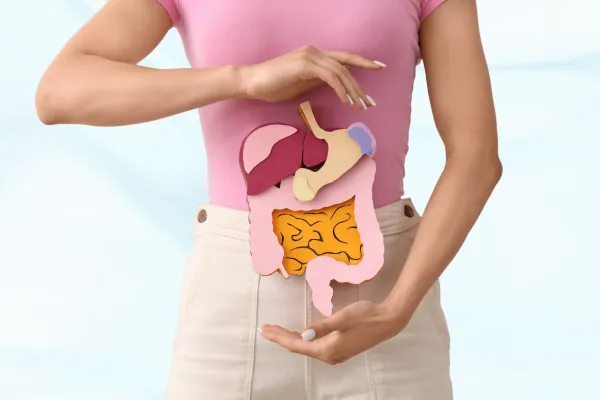
The Truth About Bloating: Foods, Triggers, and What Your Gut Is Telling You

The Truth About Bloating: Foods, Triggers, and What Your Gut Is Telling You
Bloating isn’t just “feeling full.”
It’s uncomfortable, unpredictable, and sometimes even painful — and for many people, it happens every single day.
Whether it shows up after meals, randomly throughout the day, or first thing in the morning, bloating is often your gut’s way of waving a red flag and saying:
“Something isn’t working right.”
And the truth is… bloating is never random.
It’s one of the most common early warning signs that your gut is inflamed, unbalanced, or struggling to digest what you're eating.
Let’s break down what’s really going on — and what your gut is trying to tell you.
Why Bloating Happens: The Big Picture
Your gut is supposed to digest food efficiently, move it through the intestines, and eliminate waste without discomfort.
When things get off balance, this smooth process gets disrupted, leading to:
Gas trapped in the intestines
Slow digestion
Inflammation along the gut lining
Fermentation of food particles
Fluid retention
Hormonal or stress-related digestive changes
Bloating is simply the symptom — not the problem.
The root causes often go deeper.
Common Foods That Trigger Bloating
1. Dairy
Lactose intolerance is extremely common. When lactose isn’t broken down properly, it ferments → gas → bloating.
2. Gluten
Wheat, pasta, breads, and pastries can irritate the gut lining or trigger inflammation.
3. Artificial sweeteners
Sugar alcohols like sorbitol, erythritol, and xylitol can cause major digestive distress.
4. Carbonated drinks
You’re literally swallowing gas.
5. Beans & lentils
Healthy — yes. Gas-producing — also yes, especially if your gut bacteria are imbalanced.
6. Cruciferous vegetables
Broccoli, cabbage, and cauliflower can be tough to break down when digestion is weak.
7. High-fat meals
Slow stomach emptying → slowed digestion → bloating.
8. Processed foods
They inflame the gut and slow motility, making bloating worse.
But food isn’t the only trigger…
Surprising Lifestyle Triggers You Might Be Missing
1. Eating too fast
You swallow excess air and overwhelm digestion.
2. Stress
Stress can literally “shut off” digestion by activating fight-or-flight mode.
3. Hormonal changes
Estrogen and progesterone shifts can affect fluid retention and digestion.
4. Poor hydration
Dehydration slows motility and increases constipation (a major bloating cause).
5. Lack of movement
A sedentary day = slower digestion, more trapped gas.
6. Imbalanced gut bacteria
Too much bad bacteria and not enough good bacteria leads to fermentation and inflammation.

How to Start Reducing Bloating Naturally
Here are simple, effective steps that support a healthier gut and calmer digestion:
1. Slow down your meals
Chew thoroughly to ease the workload on your gut.
2. Increase water intake
Hydration supports motility and reduces constipation-related bloating.
3. Add gentle movement after eating
Walks help stimulate digestion and prevent gas buildup.
4. Reduce trigger foods
Test which foods cause symptoms and adjust accordingly.
5. Support the gut lining
Nutrients like L-glutamine, zinc, and collagen help repair inflammation.
6. Introduce probiotics and prebiotics
They help rebalance gut bacteria — but choosing the right ones matters.
7. Reduce stress intentionally
Your gut and nervous system are deeply connected. Calming one calms the other.
8. Evaluate deeper issues
Chronic bloating may signal hidden imbalances that need structured support.
If You’re Tired of Feeling Bloated, There Is a Deeper Solution
You don’t have to live with daily discomfort, tight waistlines, unpredictable symptoms, or feeling like you “ate too much” even when you didn’t.
Your gut is communicating with you — and bloating is just the signal.


