Do These Things Now If You Want Healthy Knees When You’re Older
Most people assume knee pain is just part of getting older.
But in reality, knee health is built years before symptoms ever appear.
If you want healthy knees when you’re older, the work starts now — with daily movement patterns, muscle strength, circulation, and how much time you spend sitting.
Let’s break down what actually matters.
Break the Sitting Cycle
One of the most overlooked contributors to knee problems is prolonged sitting.
Research shows that a sedentary lifestyle and knee pain are often connected. Sitting for hours at a time can:
Reduce joint lubrication
Slow circulation
Tighten hip flexors
Weaken glutes
Increase muscle imbalance
When you finally stand up, the knee absorbs more stress than it should because the surrounding muscles aren’t supporting it properly.
That stiff feeling after sitting? That’s not random. It’s a sign your knee joint health depends on more consistent movement.
If you sit for work, short standing or walking breaks every 30–60 minutes can help maintain circulation and reduce knee stiffness from sitting.

Strengthen Before You “Need” To
Your knees rely heavily on the muscles around them.
Strong quadriceps, hamstrings, and glutes help distribute load evenly across the joint. When those muscles weaken, the knee experiences greater joint compression and mechanical stress.
Over time, this can contribute to:
Increased wear patterns
Inflammation
Reduced stability
Greater risk of chronic knee pain
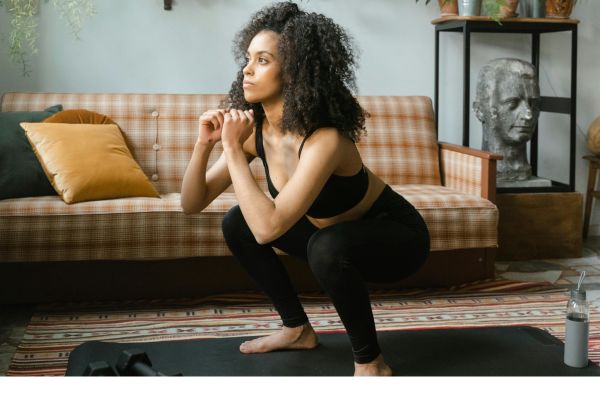
Preventive strength training doesn’t have to be extreme. Consistency matters more than intensity. Even simple bodyweight exercises can support long-term knee joint stability.
Healthy knees later in life are often the result of muscle built years earlier.
Support Circulation and Tissue Health
Cartilage doesn’t have its own direct blood supply. It depends on movement and healthy circulation to receive nutrients.
A sedentary lifestyle may slow nutrient exchange and contribute to low-grade inflammation — both of which can influence knee degeneration causes over time.
Movement, muscle activation, and good circulation help support tissue resilience.
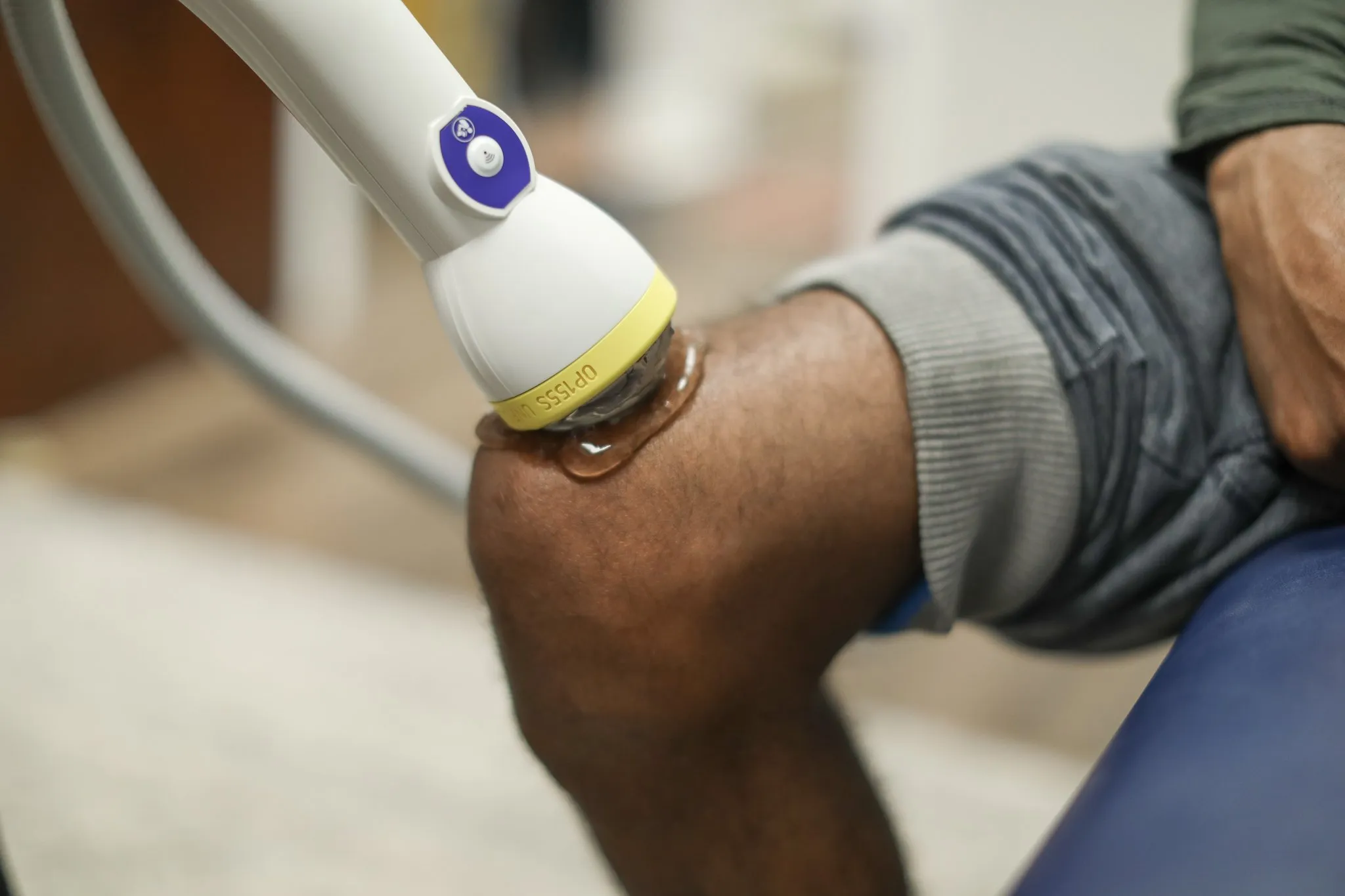
In some cases, advanced non-invasive regenerative technologies are used to stimulate circulation and support the body’s natural repair processes. These approaches focus on improving tissue signaling and recovery — not just masking discomfort.
The goal isn’t temporary relief. It’s long-term tissue support.
Don’t Ignore Early Warning Signs
Clicking. Mild swelling. Occasional stiffness. Discomfort on stairs.
These small symptoms are often dismissed, but they can reflect subtle changes in joint loading patterns and muscle balance.
Addressing imbalances early may help prevent long-term stress on the joint.
Waiting until pain becomes constant or limiting often makes recovery more complex.
The Bigger Picture
If you want healthy knees when you’re older, focus on patterns:
Move regularly.
Strengthen consistently.
Support circulation.
Pay attention early.
Knee pain doesn’t usually appear overnight. It develops gradually — through years of habits.
The good news?
So does knee resilience.


