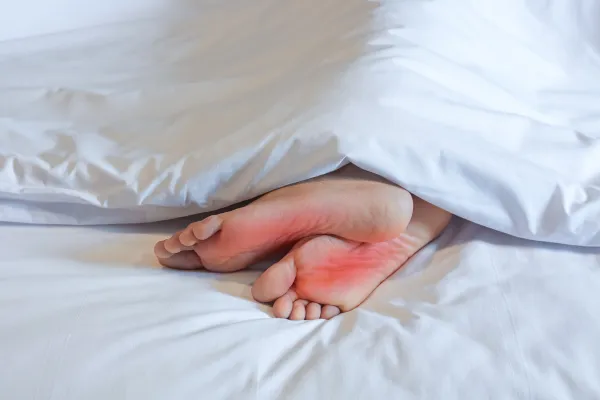
Why Neuropathy Symptoms Get Worse at Night
For many people living with peripheral neuropathy, the most difficult part of the day isn’t the morning or afternoon—it’s nighttime.
As the house gets quiet and you settle into bed, the symptoms often become impossible to ignore. Burning sensations in the feet intensify. Tingling spreads through the toes. Some people feel electric shocks, while others describe a deep aching or restless sensation in their legs.
If you’ve ever wondered why neuropathy symptoms seem to flare up after dark, you’re not alone. Nighttime nerve pain is one of the most common complaints among individuals experiencing peripheral nerve damage.
Understanding why these symptoms worsen at night can help you take the first step toward identifying the underlying issue and determining whether your nerves may still be capable of recovery.
If you are unsure whether your symptoms are related to neuropathy, you may want to start with our main guide:
Peripheral Neuropathy Treatment in The Woodlands: Can Damaged Nerves Recover?
What Peripheral Neuropathy Actually Is
Peripheral neuropathy occurs when the nerves outside of the brain and spinal cord become damaged or dysfunctional.
These nerves are responsible for transmitting sensory signals from your body back to your brain, including:
• Touch
• Temperature
• Pain
• Pressure
• Body position
When these nerves are healthy, they continuously send information to your brain about what your body is experiencing.
But when nerve fibers become irritated, inflamed, or damaged, the signals they send can become distorted or exaggerated. This is why neuropathy often causes sensations that feel unusual or difficult to describe.
Common neuropathy symptoms include:
• Burning feet
• Tingling or “pins and needles”
• Numbness in the toes or hands
• Sharp or electric nerve pain
• Heightened sensitivity to touch
• Reduced ability to feel the ground while walking
These symptoms often begin gradually and worsen over time if the underlying cause isn’t addressed.
If you’re noticing early changes in sensation, you may want to read:
The 5 Early Warning Signs of Peripheral Neuropathy
Why Neuropathy Symptoms Feel Worse at Night
Many people assume their neuropathy is suddenly getting worse in the evening, but the reality is usually more complex.
Several biological factors contribute to nighttime symptom flare-ups.
Understanding these factors can help explain why burning, tingling, or restless sensations often intensify when you try to sleep.
1. Fewer Distractions Mean the Brain Notices Pain More
During the day, your brain is constantly processing information from the environment.
You’re moving, talking, working, walking, or focusing on other activities. These distractions compete with pain signals coming from irritated nerves.
At night, however, those distractions disappear.
Your brain becomes more aware of the signals coming from your nerves, even if those signals have been present all day.
This is why many people say:
“My feet feel fine during the day, but the moment I lie down, the burning starts.”
The nerves themselves may not be producing stronger signals—the brain is simply paying more attention to them.
This heightened awareness can make nighttime neuropathy feel significantly more intense.
2. Circulation Changes While You Sleep
Circulation plays a major role in nerve health.
Peripheral nerves rely on oxygen and nutrients delivered through the bloodstream to maintain normal function.
When circulation slows, nerves may become more irritated or sensitive.
At night, several physiological changes occur:
• Heart rate decreases
• Blood pressure drops
• Circulation to the extremities may decline
For people already experiencing reduced circulation in the feet or legs, these nighttime changes can temporarily worsen nerve irritation.
Poor circulation is also one of the most common contributors to nerve damage over time.
3. Nerve Signals Become More Unstable
Damaged nerves don’t transmit signals properly.
Instead of sending clear information to the brain, injured nerves may fire erratically.
This abnormal nerve firing can produce sensations such as:
• Burning
• Electrical shocks
• Tingling waves
• Crawling sensations
• Sudden stabbing pain
When the nervous system enters a resting state at night, these abnormal signals can become more noticeable.
This is similar to hearing a small noise more clearly in a quiet room.
The nerve signals were always there—but nighttime silence amplifies them.
4. Body Temperature Changes During Sleep
Your body temperature naturally fluctuates throughout the night.
For some individuals with neuropathy, temperature changes can influence nerve sensitivity.
Damaged nerves may become hypersensitive to:
• Heat
• Cold
• Pressure
• Fabric touching the skin
This sensitivity can cause burning feet or discomfort when sheets or blankets touch the skin.
Some patients even report that light contact feels painful.
This phenomenon is called allodynia, and it occurs when the nervous system misinterprets normal sensory input as pain.
5. Restless Leg Syndrome and Neuropathy Overlap
Another reason neuropathy symptoms worsen at night is the overlap with restless leg syndrome.
Restless leg syndrome causes uncomfortable sensations in the legs that create an urge to move them.
People often describe sensations such as:
• Crawling
• Pulling
• Tingling
• Aching
These symptoms typically occur in the evening or at night and improve with movement.
Because neuropathy and restless leg syndrome both involve abnormal nerve signaling, the two conditions often appear together.
This can make nighttime symptoms even more disruptive.
When Nighttime Neuropathy Signals Progression
Occasional nighttime tingling may not always indicate severe nerve damage.
However, worsening symptoms can sometimes signal that neuropathy is progressing.
Signs that neuropathy may be advancing include:
• Burning pain that wakes you up at night
• Numbness spreading higher up the foot or leg
• Increasing balance instability
• Difficulty feeling temperature changes
• Reduced ability to sense injuries on the feet
As nerve function declines, the brain receives less reliable information from the feet.
This loss of sensory feedback can increase the risk of falls or injuries.
If you’re noticing balance changes, you may want to read:
Why Neuropathy Patients Lose Balance
The Most Common Causes of Peripheral Neuropathy
Peripheral neuropathy can develop from several underlying conditions.
Some of the most common causes include:
• Diabetes or pre-diabetes
• Chemotherapy treatments
• Spinal nerve compression
• Vitamin deficiencies
• Circulation disorders
• Autoimmune disease
• Idiopathic neuropathy (unknown cause)
Diabetes is one of the most well-known causes of nerve damage because elevated blood sugar levels can gradually injure nerve fibers.
To learn more about this connection, read:
How Diabetes Damages Peripheral Nerves
Can Neuropathy Be Reversed?
One of the most common questions people ask is whether neuropathy can actually improve.
The answer depends on the condition of the nerves.
In general, nerves fall into three categories:
Healthy but irritated nerves
Damaged but responsive nerves
Completely non-responsive nerves
When nerves are still responsive, the nervous system may retain the ability to recover function.
However, determining whether nerves are capable of recovery requires proper neurological evaluation.
If you want to explore this topic further, read:
Can Peripheral Neuropathy Be Reversed?
How Neuropathy Is Evaluated
Evaluating neuropathy typically involves assessing nerve function, circulation, and neurological responsiveness.
A comprehensive evaluation may include:
• Sensory testing
• Balance assessments
• Circulatory evaluation
• Neurological response measurements
These assessments help determine:
• the extent of nerve damage
• whether nerves are still capable of responding to stimulation
• what type of care strategy may be appropriate
Without measuring nerve responsiveness, it can be difficult to determine whether meaningful improvement is possible.
Why Early Evaluation Matters
Neuropathy is often progressive when the underlying nerve environment remains unchanged.
Over time, worsening nerve function can lead to:
• increased numbness
• reduced balance
• higher fall risk
• decreased independence
For this reason, many clinicians encourage individuals experiencing persistent neuropathy symptoms to seek evaluation early.
Even if symptoms have been present for several months or years, determining the current condition of the nerves can help guide next steps.
If you’re experiencing burning feet, tingling, numbness, or nighttime nerve pain, understanding the condition of your nerves is the first step.
You can request a Free 15-Minute Nerve Health Discovery Call to discuss your symptoms and determine whether a neuropathy evaluation may be appropriate.
During this call we will:
• Review your symptoms
• Discuss your history
• Determine whether further evaluation may be helpful
What a Neuropathy Recovery Strategy Often Focuses On
When nerves still have the ability to respond, recovery strategies often focus on improving the environment around the nerves.
This may include:
• improving circulation
• supporting cellular energy
• stimulating nerve signaling
• reducing inflammation
Modern non-invasive therapies can help stimulate neurological activity and support nerve function without surgery.
However, the effectiveness of these approaches depends heavily on whether the nerves are still responsive.
Neuropathy Education
If you’re just beginning to research neuropathy, we recommend starting with our complete guide:
Peripheral Neuropathy Treatment in The Woodlands: Can Damaged Nerves Recover?
This guide explains:
• how neuropathy develops
• why symptoms progress
• how nerve damage is evaluated
• when treatment may be appropriate
Small Steps That May Help Nighttime Symptoms
While addressing the underlying cause of neuropathy is important, several strategies may help reduce nighttime discomfort.
Some individuals find relief by:
• keeping feet warm
• improving circulation with light movement
• elevating legs slightly
• maintaining stable blood sugar levels
• avoiding tight footwear
These strategies do not repair nerve damage, but they may reduce temporary irritation.
If symptoms persist, a neurological evaluation may help determine the next steps.
When to Consider an Evaluation
If your neuropathy symptoms:
• wake you up at night
• are spreading or worsening
• affect your balance
• interfere with daily activities
it may be worth evaluating the health of your nerves.
You can request a Free 15-Minute Nerve Health Discovery Call to discuss whether your symptoms may warrant a deeper neurological assessment.
Final Thoughts
Nighttime neuropathy symptoms can be frustrating and exhausting.
Burning feet, tingling toes, and restless sensations often feel worse when the day ends and the body tries to rest.
While these symptoms are common in peripheral neuropathy, they are also signals that the nervous system may be struggling.
Understanding what your nerves are experiencing is the first step toward determining whether recovery may still be possible.
If you would like to learn more about neuropathy and nerve health, you can explore additional resources on our neuropathy education page:
Peripheral Neuropathy Treatment in The Woodlands


