Is Non-Surgical Body Contouring Safe?
As non-surgical body contouring becomes more widely available, many people naturally ask whether these treatments are safe.
The answer depends on several factors, including:
the technology being used
the specific device
the treatment area
the provider’s training
the individual’s health history
whether treatment instructions are followed correctly
Non-surgical body contouring does not require the incisions or general anesthesia associated with procedures such as liposuction. However, non-surgical does not mean completely risk-free.
The U.S. Food and Drug Administration notes that non-invasive body-contouring technologies work in different ways and may produce different risks, side effects, and outcomes.
For an overview of how these treatments work, explore Non-Surgical Body Contouring in The Woodlands: Understanding Contour Light Therapy.
What Is Non-Surgical Body Contouring?
Non-surgical body contouring refers to treatments intended to change the appearance or circumference of specific body areas without surgery.
These treatments are generally used to address localized areas such as the:
abdomen
hips
thighs
upper arms
waistline
They are not intended to replace healthy nutrition, exercise, or medical weight-loss care.
Common technologies include:
cryolipolysis, commonly called fat freezing
ultrasound-based treatments
radiofrequency energy
laser or light-based treatments
red light body contouring
Each technology interacts with the body differently. Because of this, one type of body contouring should not automatically be assumed to have the same safety profile as another.
Why People Choose Non-Surgical Treatments
Many people consider non-surgical body contouring because they want to address a specific area without undergoing an operation.
Potential benefits may include:
no surgical incision
no general anesthesia
little or no recovery time
the ability to return to normal activities quickly
gradual rather than immediate changes
These advantages can make non-surgical treatments appealing, but candidacy and expectations still matter.
Body contouring is generally designed for localized shaping rather than significant weight loss.
Learn why some areas may remain resistant in Why Stubborn Fat Stops Responding to Diet and Exercise.
How the Safety of Different Treatments Varies
Different technologies create different physical effects within the tissue.
Understanding these differences is important when comparing treatment options.
Cryolipolysis
Cryolipolysis uses controlled cooling to affect fat cells in a targeted area.
Possible temporary effects may include:
redness
swelling
bruising
tenderness
numbness
sensitivity
The FDA also identifies less common complications associated with some non-invasive fat-reduction technologies. Risks depend on the device, treatment area, and individual response.
Ultrasound-Based Treatments
Ultrasound body contouring uses sound-wave energy to create mechanical or thermal effects within targeted tissue.
Potential risks may include discomfort, swelling, burns, or tissue injury when equipment is used improperly. FDA guidance for focused ultrasound devices emphasizes the importance of device controls, risk analysis, and appropriate use.
Radiofrequency Treatments
Radiofrequency devices use energy to heat tissue.
Depending on the device, treatment depth, and temperature, possible risks may include:
redness
swelling
discomfort
burns
changes in skin sensation
Radiofrequency body contouring should not be confused with radiofrequency microneedling, which penetrates the skin and has a different risk profile.
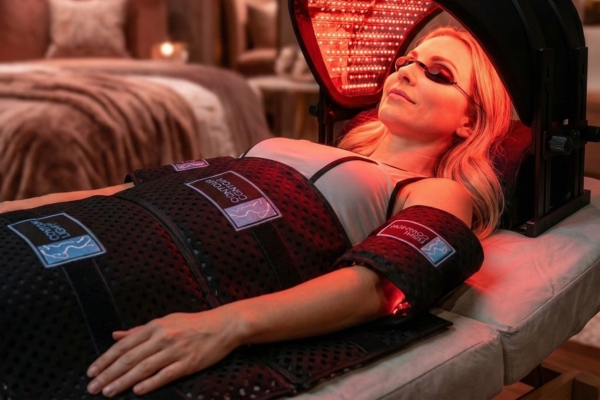
Red Light Body Contouring
Red light body contouring uses selected wavelengths of light rather than controlled freezing or high tissue temperatures.
Some devices are cleared for temporary circumference reduction or aesthetic body-contouring purposes. The exact intended use depends on the specific device and its regulatory clearance.
Sessions are generally non-invasive, but treatment should still follow the device manufacturer’s instructions and appropriate screening procedures.
Learn more about the cellular process in How Red Light Therapy Supports Cellular Energy and Metabolism.
FDA-Cleared Does Not Mean Risk-Free
When evaluating a treatment, it is helpful to understand the difference between FDA clearance and a guarantee of safety or results.
FDA clearance generally means that a medical device was reviewed for a particular intended use and found substantially equivalent to an appropriate legally marketed device.
It does not mean:
every patient will experience the same result
the treatment has no risks
the device is appropriate for every body area
any provider can safely use it without training
all marketing claims made about the device are approved
Patients should ask which device will be used, what it is cleared or intended to do, and whether the proposed treatment area is included in its instructions.
Why a Health Evaluation Matters
A consultation should do more than discuss cosmetic goals.
Before treatment, a provider should review relevant information such as:
medical history
current medications
pregnancy or breastfeeding status
implanted medical devices
recent surgery
skin conditions
circulation concerns
previous procedures
treatment goals
Certain technologies may not be appropriate for people with specific medical conditions or implanted devices.
A proper evaluation also helps identify whether the concern is actually related to fat, loose skin, muscle separation, bloating, or another issue.
Read What to Expect During a Body Contouring Consultation for a closer look at the screening process.
What Side Effects Are Possible?
Side effects vary by treatment type.
Common temporary reactions may include:
mild redness
tenderness
swelling
bruising
tingling
temporary numbness
warmth or cooling sensations
skin sensitivity
More serious complications are less common but may occur with certain technologies.
Depending on the treatment, these may include burns, persistent pain, contour irregularities, nerve irritation, skin injury, or unexpected changes in fat tissue.
A responsible provider should explain both common and uncommon risks before treatment begins.
Does Body Contouring Hurt?
Comfort levels vary depending on the technology and the person receiving treatment.
Possible sensations include:
warmth
cold
pressure
pulling
tingling
mild tenderness
Red light treatments are often described as comfortable because they do not rely on freezing, strong suction, or intense tissue heating.
However, a patient should immediately report unexpected pain, burning, dizziness, or significant discomfort during any treatment.
Is There Downtime?
Many non-surgical body-contouring treatments require little or no scheduled recovery time.
Most people can return to routine activities after a session.
However, temporary soreness, swelling, bruising, numbness, or sensitivity may still occur depending on the technology.
“No downtime” should not be interpreted to mean that side effects are impossible.
Patients should receive clear instructions explaining what to expect after treatment and when to contact the provider.
How to Choose a Body-Contouring Provider
The person performing the treatment and the clinic’s screening process can significantly affect safety.
Before starting, consider asking:
What device will be used?
What is the device intended or cleared to treat?
What training has the provider completed?
What side effects are most common?
Who should not receive this treatment?
What happens if I experience a complication?
How will my progress be measured?
The FDA recommends discussing the benefits and risks of aesthetic devices with a healthcare provider and determining whether the treatment is appropriate for the individual.
Who May Be a Good Candidate?
Non-surgical body contouring may be appropriate for someone who:
is near a stable or comfortable weight
has one or more localized areas of concern
maintains generally healthy habits
prefers to avoid surgery
understands that results may be gradual
has realistic expectations
It may not be appropriate for someone seeking major weight loss or an immediate transformation.
Medical history, treatment type, and the chosen body area must also be considered.
Learn more in Who Is Actually a Good Candidate for Body Contouring?.
What Non-Surgical Body Contouring Cannot Do
Body contouring treatments generally cannot:
replace weight-loss care
treat obesity
guarantee permanent results
repair separated abdominal muscles
remove significant excess skin
correct every cause of abdominal fullness
create identical results for every patient
Results also depend on the technology being used, starting body composition, treatment consistency, and lifestyle habits.
Balanced nutrition, movement, hydration, sleep, and stable weight remain important for maintaining changes.
When to Contact a Provider
Patients should follow the aftercare instructions provided for their specific treatment.
A provider should be contacted if someone develops symptoms such as:
severe or increasing pain
blistering or burns
significant swelling
persistent numbness
skin discoloration
signs of infection
a new or enlarging lump
symptoms that worsen instead of improving
Prompt evaluation can help determine whether the reaction is expected or requires additional care.
Final Thoughts
Many non-surgical body-contouring treatments can be performed without incisions, anesthesia, or lengthy recovery.
However, safety varies by technology, device, treatment area, provider experience, and patient health.
The safest approach includes:
using an appropriate device
completing a thorough health evaluation
working with a properly trained provider
understanding possible side effects
following treatment and aftercare instructions
maintaining realistic expectations
Non-surgical body contouring should be viewed as a targeted aesthetic option rather than a risk-free shortcut or replacement for healthy habits.


