Who Is Actually a Good Candidate for Body Contouring?
Understanding the Purpose of Body Contouring
Non-surgical body contouring has become a popular option for people who want to improve the shape of specific areas without surgery.
However, these treatments are not designed for everyone.
The best results are generally seen in people whose goals, health history, body composition, and expectations match what the treatment can realistically provide.
Body contouring is typically intended to address localized areas such as the:
lower abdomen
waist and love handles
hips
thighs
upper arms
It is not a replacement for weight-loss care, exercise, or balanced nutrition.
For a broader explanation of how these treatments work, explore Non-Surgical Body Contouring in The Woodlands: Understanding Contour Light Therapy.
Body Contouring Is Not the Same as Weight Loss
One of the most important candidacy considerations is understanding the difference between weight loss and body contouring.
Weight-loss programs aim to reduce total body weight or improve overall body composition.
Body contouring focuses on the appearance or measurements of a particular area.
A person may lose weight successfully and still notice that the lower abdomen, hips, thighs, or arms remain resistant.
This can happen because the body does not store or release fat evenly.
Learn more in Why Some Areas of Fat Are Harder to Lose Than Others.
Good Candidates Are Usually Near a Stable Weight
Non-surgical body contouring is generally better suited for someone who is already near a comfortable or goal weight.
These treatments are not designed to create substantial weight loss.
Someone who is still actively losing a significant amount of weight may benefit from waiting until their weight has become more stable.
Weight stability can make it easier to:
identify the true areas of concern
track treatment progress
set realistic expectations
maintain results over time
Body weight does not need to be perfect, but major fluctuations can affect the appearance of treated areas.
Healthy Habits Still Matter
Body contouring works best as a complement to healthy habits.
A good candidate is generally willing to support the treatment process through:
regular movement
balanced nutrition
adequate hydration
sufficient protein
consistent sleep
strength training when appropriate
maintaining a relatively stable weight
These habits support overall body composition and make it easier to maintain changes.
Body contouring cannot compensate for frequent weight fluctuations or replace long-term wellness habits.
Read Why Consistency Matters With Body Contouring Treatments to understand how treatment attendance and lifestyle habits work together.
Localized Stubborn Areas Are a Common Concern
Many body-contouring candidates have already made meaningful progress through nutrition and exercise.
Their concern is usually not total body weight. Instead, they want additional support for one or two areas that have changed more slowly.
Stubborn areas may be influenced by:
genetics
hormonal changes
fat-cell receptor patterns
circulation
age
metabolic adaptation
The lower abdomen, waist, hips, and thighs are common examples.
Learn more about resistant fat deposits in Why Stubborn Fat Stops Responding to Diet and Exercise.
Realistic Expectations Are Essential
A good candidate understands that non-surgical body contouring usually produces gradual and modest changes.
It is not designed to create:
dramatic weight loss
an immediate transformation
surgical-level fat removal
identical results for every person
significant tightening of large amounts of loose skin
Depending on the treatment, progress may be seen through measurements, photographs, clothing fit, or gradual changes in the appearance of a targeted area.
People who understand the limits of treatment are more likely to evaluate results fairly.
Willingness to Complete a Treatment Series
Many non-surgical body-contouring technologies are performed as a series rather than as a single session.
A good candidate should be able and willing to follow the recommended treatment schedule.
Frequently missing appointments or stopping early may make the results harder to evaluate.
Treatment plans vary based on:
the technology used
the target area
the individual’s goals
starting body composition
response to treatment
A full program may also include progress measurements and periodic reassessments.
Skin Elasticity Affects the Outcome
Skin quality is another important candidacy factor.
An area may appear soft because of localized fat, loose skin, reduced muscle tone, or a combination of these concerns.
Skin elasticity depends partly on collagen and elastin.
It may be affected by:
age
genetics
pregnancy
significant weight changes
sun exposure
smoking
hormonal changes
Some non-surgical treatments are intended to support collagen activity and skin appearance.
However, they generally cannot remove significant excess skin.
Read Why Skin Gets Looser With Weight Loss—And What You Can Do About It for more information.
The Cause of the Concern Must Be Identified
Not every area of fullness is caused by fat.
For example, abdominal changes may also be related to:
loose skin
bloating
posture
reduced muscle tone
diastasis recti
fluid retention
digestive concerns
an underlying medical condition
Body contouring may not improve these issues.
A proper evaluation helps determine what is actually contributing to the appearance of the area before treatment is recommended.
Who May Not Be an Ideal Candidate?
Body contouring may not be the right option for someone who:
is seeking major weight loss
expects dramatic results after one session
has significant weight fluctuations
is unwilling to maintain supportive habits
has substantial loose or hanging skin
is pregnant or may be pregnant
has a health condition that makes the treatment inappropriate
has an implanted device that conflicts with the chosen technology
has unrealistic expectations
Specific contraindications vary by device and treatment method.
Someone who is not a candidate for one type of treatment may still have other appropriate options.
Health History and Medications Matter
Even though non-surgical body contouring does not involve an operation, health screening is still important.
A consultation should review relevant information such as:
current medical conditions
medications
previous surgeries
pregnancy or breastfeeding status
implanted medical devices
circulation concerns
skin conditions
recent cosmetic procedures
This information helps determine whether the chosen technology can be used safely.
Patients should be open and accurate when discussing their health history.
Why a Professional Consultation Is Important
Candidacy cannot be determined from appearance alone.
A thorough consultation should evaluate:
the area of concern
treatment goals
health history
body composition
skin quality
current lifestyle habits
possible contraindications
expected treatment frequency
The provider should also explain what the treatment is intended to do, what it cannot do, and how progress will be measured.
Read What to Expect During a Body Contouring Consultation for a closer look at the evaluation process.
How Red Light Body Contouring Fits In
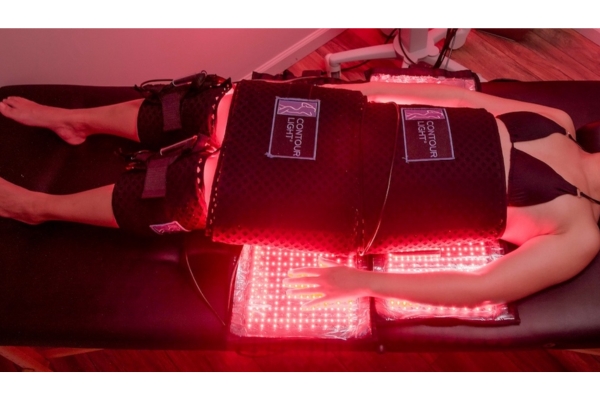
Red light body contouring uses specific wavelengths of light intended to interact with cells.
This process may support:
cellular energy production
circulation
fat-cell activity
collagen-related processes
skin appearance
The technology does not surgically remove fat and is not intended to produce major weight loss.
It may be considered by people who want a non-invasive option and are comfortable with gradual changes over several sessions.
Learn more in How Red Light Therapy Supports Cellular Energy and Metabolism.
Questions to Ask Before Beginning
Before committing to a treatment program, consider asking:
What device or technology will be used?
What is the treatment intended to accomplish?
Am I a good candidate based on my health history?
How many sessions are recommended?
What results are realistic for my starting point?
What side effects or contraindications should I know about?
How will progress be measured?
What habits may help support or maintain the results?
Clear answers can help someone make a more informed decision.
Signs You May Be a Good Candidate
You may be a reasonable candidate for non-surgical body contouring when you:
are close to a stable weight
have one or two localized areas of concern
maintain generally healthy habits
prefer a non-surgical approach
understand that results may be gradual
can complete the recommended treatment series
have been appropriately screened
have realistic expectations
Meeting these general characteristics does not automatically guarantee candidacy, but it may indicate that an evaluation is appropriate.
Final Thoughts
The best candidates for body contouring are generally people who want to improve a localized area rather than achieve major weight loss.
They are often near a stable weight, maintain healthy habits, and understand that non-surgical treatments usually create gradual and modest changes.
Health history, skin elasticity, treatment goals, and the cause of the concern must also be considered.
A proper evaluation helps determine whether body contouring is appropriate, which technology may be most suitable, and what results can realistically be expected.


