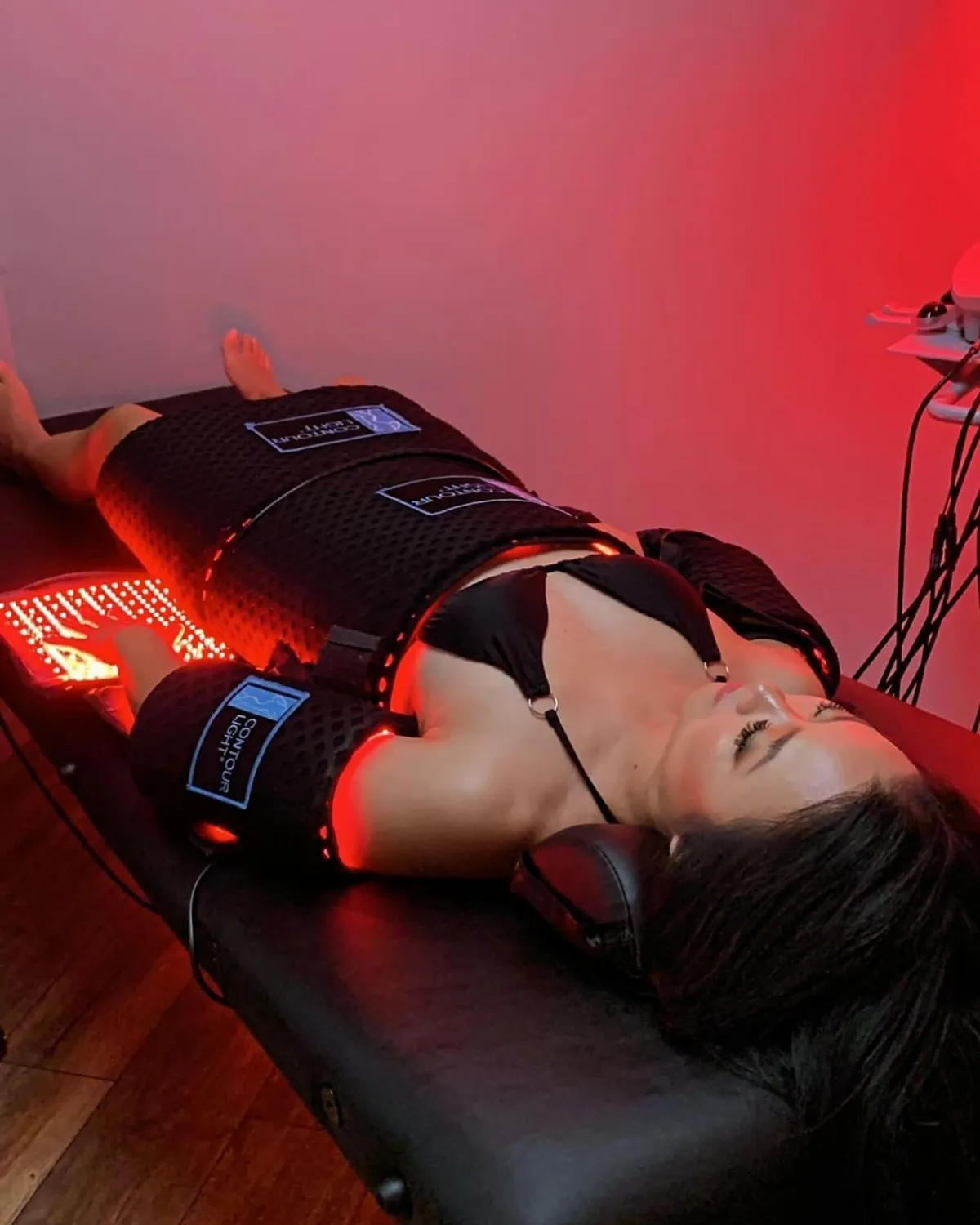
Non-Surgical Body Contouring in The Woodlands: Understanding Contour Light Therapy
Many people reach a point where their body stops responding the way it once did.
They may exercise regularly.
They may eat relatively well.
They may have tried multiple weight-loss strategies.
Yet certain areas — especially the abdomen, hips, thighs, and arms — remain resistant to change.
This is commonly referred to as stubborn fat, and it becomes increasingly common as metabolism, hormones, and skin elasticity change with age.
For individuals looking for a non-surgical option to support body contouring and skin tightening, Contour Light Therapy offers a technology designed to support the body’s natural metabolic and cellular processes.
This guide explains:
• why stubborn fat happens
• how red light body contouring works
• who may be a good candidate
• what to expect from a structured program
Why Stubborn Fat Happens
Fat loss is influenced by many biological factors beyond calorie intake.
These include:
• hormonal fluctuations
• metabolic adaptation
• circulation changes
• cellular energy levels
• inflammation
These changes can cause certain fat deposits to become resistant to traditional weight-loss methods.
Common areas include:
• lower abdomen
• love handles
• hips
• thighs
• upper arms
Learn more in this guide:
Why Stubborn Fat Stops Responding to Diet and Exercise
Why Body Contouring Treatments Exist
Because of these biological factors, some individuals begin exploring non-surgical body contouring options.
Modern body contouring technologies aim to support the body's natural fat metabolism while improving skin appearance.
These technologies include:
• cryolipolysis (fat freezing)
• ultrasound cavitation
• radiofrequency heating
• red light therapy
Each approach works differently.
You can learn how these treatments compare here:
Non-Surgical Body Contouring Options Explained
What Is Contour Light Therapy?
Contour Light Therapy uses specific wavelengths of therapeutic red light delivered through panel systems placed near the body.
These wavelengths are designed to interact with cells and support metabolic activity.
Research suggests red light therapy may help support:
• cellular energy production
• circulation
• fat metabolism
• collagen activity in the skin
Unlike surgical procedures, the treatment does not involve:
• cutting tissue
• freezing fat
• injections
• recovery time
Instead, the therapy supports gradual changes when used as part of a structured program.
Learn more in:
Does Red Light Body Contouring Actually Work?
Why Skin Tightening Matters During Fat Loss
One concern many people have when losing weight is loose skin.
Skin elasticity naturally declines with age.
Factors that influence this include:
• collagen loss
• hormonal changes
• pregnancy
• rapid weight changes
Some red light wavelengths are believed to stimulate collagen activity, which may help support improvements in skin tone.
To learn more about this process, read:
Why Skin Gets Looser With Weight Loss
Who Is a Good Candidate for Body Contouring?
Body contouring treatments are not designed to replace healthy habits.
They are typically most appropriate for individuals who:
• are close to their goal weight
• maintain relatively healthy habits
• struggle with stubborn areas
• want a non-surgical approach
People experiencing fat-loss plateaus often fall into this category.
However, not everyone is an ideal candidate.
Learn more in:
Who Is Actually a Good Candidate for Body Contouring?
How a Structured Body Contouring Program Works
Most body contouring programs include several phases.
Evaluation
A consultation typically reviews:
• health history
• lifestyle habits
• body composition
• goals and expectations
Treatment Series
Sessions are usually performed over several weeks.
Consistency allows biological effects to accumulate.
Progress Tracking
Many programs track progress using:
• measurements
• visual comparison photos
• mid-program reassessments
These tools help determine how the body is responding.
Frequently Asked Questions
Does the treatment hurt?
Most patients report the treatment as relaxing and comfortable.
How long does each session take?
Sessions typically last under an hour, depending on the treatment plan.
Are results permanent?
Long-term results depend heavily on lifestyle habits and metabolic health.
Is this covered by insurance?
Body contouring treatments are generally considered elective wellness services.
Explore the Contour Light Resource Library
Body contouring is not a one-size-fits-all process. Factors such as age, hormones, metabolism, skin elasticity, lifestyle habits, and personal goals can all influence how the body responds.
The following 12 articles take a closer look at the most common questions people have when considering non-surgical body contouring. Together, they explain why certain areas may resist diet and exercise, how red light therapy works, what to expect from treatment, and how to determine whether body contouring may be appropriate for you.
Use these resources to explore the topics most relevant to your goals and gain a clearer understanding of the science, safety, and process behind Contour Light Therapy.
Why Stubborn Fat Stops Responding to Diet and Exercise
Does Red Light Body Contouring Actually Work?
Why Skin Gets Looser With Weight Loss — And What You Can Do About It
Why Belly Fat Becomes More Stubborn After 35
Can Body Contouring Help With Post-Pregnancy Belly Changes?
Why Some Areas of Fat Are Harder to Lose Than Others
How Red Light Therapy Supports Cellular Energy and Metabolism
Is Non-Surgical Body Contouring Safe?
Body Contouring vs Liposuction: What’s the Difference?
Why Consistency Matters With Body Contouring Treatments
Who Is Actually a Good Candidate for Body Contouring?
What to Expect During a Body Contouring Consultation


