How to Know If You’re a Candidate for Non-Surgical Spinal Decompression
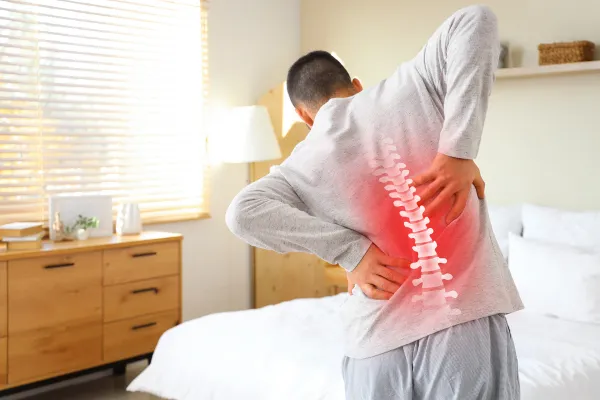
Chronic back pain and sciatica affect millions of people each year. For many individuals, symptoms begin gradually and may worsen over time, eventually interfering with daily activities like sitting, walking, sleeping, or working.
When pain becomes persistent, patients are often presented with a range of treatment options — from medications and physical therapy to injections or surgery.
However, another option that is often discussed for disc-related spinal conditions is non-surgical spinal decompression therapy.
Spinal decompression is designed to reduce pressure within the spinal discs and create more space around irritated nerves. But like any treatment, it is not appropriate for every type of back pain.
Understanding whether someone may be a candidate for spinal decompression therapy requires examining the cause of the symptoms, the health of the spinal discs, and the severity of nerve involvement.
In this guide, we’ll explore the conditions that may respond to decompression therapy, situations where it may not be appropriate, and the factors doctors consider when evaluating potential candidates.
Understanding How the Spine Works
The spine is composed of a series of bones called vertebrae stacked on top of each other. Between these bones sit small cushions known as intervertebral discs.
These discs perform several important roles:
• Absorbing shock during movement
• Allowing the spine to bend and twist
• Maintaining spacing between vertebrae
• Protecting nearby spinal nerves
Each disc contains a soft gel-like center surrounded by a tougher outer layer.
When discs are healthy, they help distribute pressure evenly throughout the spine and maintain proper spacing for spinal nerves.
However, over time discs may begin to weaken or degenerate due to factors such as:
• Aging
• Repetitive spinal stress
• Poor posture
• Prolonged sitting
• Injury or trauma
As discs weaken, they may begin to bulge or herniate.
To better understand the difference between these conditions, read:
Bulging Disc vs Herniated Disc: What’s Actually Causing Your Pain?
Why Disc Pressure Matters
Many spinal conditions involve increased pressure within the spinal discs.
When disc pressure increases, the disc may begin to bulge outward. In more severe cases, the outer wall of the disc may tear, allowing the inner material to push outward.
These changes may reduce the space available for nearby spinal nerves.
When nerve roots become irritated or compressed, symptoms such as the following may occur:
• Lower back pain
• Pain traveling down the leg
• Tingling or numbness in the foot
• Muscle weakness
• Sciatic nerve pain
What Spinal Decompression Therapy Is Designed to Do
Non-surgical spinal decompression therapy uses a specialized computerized table to gently stretch the spine.
The therapy applies controlled traction forces that may help reduce pressure inside spinal discs.
In some cases, decompression therapy may help:
• Reduce pressure within the disc
• Improve spacing around spinal nerves
• Encourage fluid movement within discs
• Support spinal healing processes
Common Conditions That May Respond to Decompression
Spinal decompression therapy is often considered for individuals experiencing disc-related spinal conditions.
These may include:
Bulging Discs
A bulging disc occurs when the disc begins to push outward but the outer layer remains intact.
If the disc presses against nearby nerves, symptoms such as back pain or sciatica may occur.
Herniated Discs
A herniated disc occurs when the inner material of the disc pushes through the outer layer.
This may irritate nearby nerves and produce symptoms such as leg pain, tingling, or numbness.
Degenerative Disc Disease
Over time, spinal discs may lose hydration and become thinner.
This process may increase pressure on nearby spinal structures.
Sciatica
Sciatica occurs when the sciatic nerve becomes irritated or compressed, often due to disc-related problems.
You can learn more about sciatic nerve pain here:
The 3 Types of Sciatica (And Why Treatment Must Match the Cause)
When Spinal Decompression May Not Be Recommended
Although spinal decompression therapy may benefit certain individuals, it is not appropriate for every spinal condition.
Examples of situations where decompression may not be recommended include:
• Severe osteoporosis
• Certain spinal fractures
• Advanced spinal instability
• Certain post-surgical conditions
• Spinal tumors or infections
This is why proper evaluation is essential before beginning treatment.
What a Decompression Session Looks Like
During spinal decompression therapy:
• The patient lies comfortably on a specialized decompression table
• A harness stabilizes the hips or torso
• Controlled traction cycles gently stretch the spine
Most sessions last approximately 10–20 minutes and are performed under clinical supervision.
You can learn more about the treatment process here:
What Happens During a Spinal Decompression Session
Why Some Treatments Focus Only on Inflammation
Many treatments for back pain focus primarily on reducing inflammation.
These may include:
• Anti-inflammatory medications
• Physical therapy
• Steroid injections
While these treatments may relieve symptoms temporarily, they may not address mechanical pressure within the spinal discs.
You can learn more about this in:
Why Injections Don’t Fix the Root Cause of Disc Pain
When Surgery May Be Necessary
Although many spinal conditions can be treated conservatively, surgery may sometimes be recommended.
Situations where surgery may be necessary include:
• Progressive nerve damage
• Severe spinal instability
• Loss of bowel or bladder control
• Advanced disc herniation
To learn more about when surgery may be recommended, read:
When Is Back Surgery Actually Necessary?
Key Factors That Determine Candidacy
Several factors influence whether someone may be a candidate for spinal decompression therapy.
These include:
• The cause of the back pain
• The health of the spinal discs
• The presence of nerve compression
• The severity of symptoms
• Overall spinal stability
A comprehensive evaluation helps determine whether decompression therapy may be appropriate.
Learn More About Spinal Decompression
If you are exploring treatment options for chronic back pain or sciatica, understanding the mechanical causes of spinal pain can help guide your decisions.
Explore our complete guide to Non-Surgical Spinal Decompression for Chronic Back Pain and Sciatica to learn more about how this therapy works and whether it may be appropriate for your condition.


