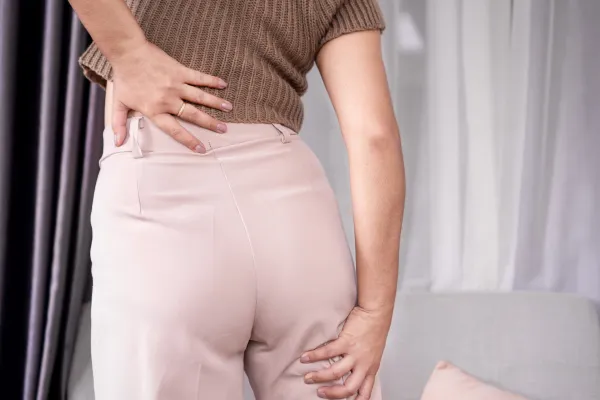
The 3 Types of Sciatica (And Why Treatment Must Match the Cause)
Sciatica is one of the most common causes of nerve-related back pain. Millions of people experience symptoms such as pain traveling down the leg, numbness in the foot, or burning sensations in the lower body.
Many people assume that sciatica is a single condition with a single treatment. In reality, sciatica is a symptom, not a diagnosis.
The term simply refers to irritation of the sciatic nerve, the largest nerve in the body. This nerve begins in the lower spine and travels through the hips and down the back of each leg.
Because the sciatic nerve can be affected by several different spinal and muscular conditions, there are multiple causes of sciatica.
Understanding the underlying cause is important because treatment that works for one type of sciatica may not be effective for another.
In this article, we’ll explore the three common types of sciatica, how they develop, and why identifying the source of nerve irritation is essential for choosing the right treatment approach.
Understanding the Sciatic Nerve
The sciatic nerve is formed by several nerve roots that exit the lower spine. These nerve roots originate in the lumbar spine and upper sacrum.
After leaving the spine, the nerve travels through the hips and buttocks before continuing down the back of the leg.
Because this nerve is so long, irritation anywhere along its path may produce symptoms such as:
• Pain in the lower back
• Pain traveling down the leg
• Burning sensations in the thigh or calf
• Tingling or numbness in the foot
• Weakness in the leg
The location and severity of symptoms often depend on where the nerve is being irritated.
Type 1: Disc-Related Sciatica
One of the most common causes of sciatica is disc compression in the lower spine.
Between each vertebra in the spine sits a small cushion known as an intervertebral disc. These discs help absorb shock and allow the spine to move freely.
Over time, spinal discs may begin to weaken due to factors such as:
• Aging
• Repetitive spinal stress
• Poor posture
• Prolonged sitting
• Injury or trauma
When discs become damaged, they may bulge or herniate.
These structural changes can reduce the space around nearby nerve roots. If the nerve roots that form the sciatic nerve become compressed, sciatic symptoms may develop.
To better understand the difference between disc conditions, read:
Bulging Disc vs Herniated Disc: What’s Actually Causing Your Pain?
Symptoms of Disc-Related Sciatica
Disc-related sciatica often produces symptoms such as:
• Lower back pain
• Pain that travels down one leg
• Tingling or numbness in the foot
• Pain that worsens with sitting
• Pain that increases when bending forward
Many individuals with this type of sciatica notice that sitting for long periods aggravates their symptoms.
If sitting worsens your back pain, you may want to read:
Why Sitting Is Quietly Destroying Your Spinal Discs
Schedule a Spinal Evaluation
If you are experiencing pain traveling down the leg, numbness in the foot, or recurring sciatic nerve symptoms, identifying the cause of the nerve irritation is an important first step.
Schedule a spinal evaluation to learn what may be contributing to your symptoms and what treatment options may be appropriate.
Type 2: Spinal Stenosis Sciatica
Another common cause of sciatic nerve pain is spinal stenosis.
Spinal stenosis occurs when the spaces within the spine begin to narrow.
This narrowing can place pressure on the nerves that travel through the spinal canal.
Spinal stenosis often develops gradually over time due to age-related changes in the spine.
Common contributors include:
• Degenerative disc disease
• Thickened ligaments
• Bone spurs
• Disc bulges
When these changes narrow the spinal canal, they may compress the nerve roots that form the sciatic nerve.
Symptoms of Spinal Stenosis Sciatica
Sciatica caused by spinal stenosis often produces symptoms such as:
• Pain or heaviness in the legs
• Numbness in the lower body
• Difficulty walking long distances
• Relief when bending forward or sitting
Unlike disc-related sciatica, spinal stenosis symptoms sometimes improve when a person leans forward slightly.
Type 3: Piriformis Syndrome
A third cause of sciatic nerve irritation occurs outside the spine.
This condition is known as piriformis syndrome.
The piriformis is a small muscle located deep in the buttock. The sciatic nerve passes very close to this muscle.
If the piriformis muscle becomes tight or inflamed, it may compress the sciatic nerve.
This can produce symptoms similar to spinal sciatica.
Symptoms of Piriformis Syndrome
Piriformis-related sciatica may cause:
• Pain in the buttock
• Pain when sitting for long periods
• Tingling in the back of the leg
• Discomfort during walking or climbing stairs
Unlike disc-related sciatica, piriformis syndrome typically does not involve significant lower back pain.
Why Sciatica Often Returns
Many individuals experience episodes of sciatica that improve temporarily and then return.
This often happens because treatments may reduce inflammation around the nerve but may not address the underlying mechanical cause of the nerve irritation.
If you have experienced recurring sciatic pain, you may want to read:
Why Sciatica Keeps Coming Back (Even After Injections or Physical Therapy)
Why MRI Results Don’t Always Explain Symptoms
MRI scans are commonly used to evaluate spinal conditions.
However, imaging results do not always perfectly match symptoms.
Some individuals may have visible disc changes on MRI but experience little pain. Others may experience significant symptoms even when imaging appears relatively mild.
This occurs because MRI scans show structural changes but cannot always capture dynamic nerve irritation during movement.
Learn more about this concept here:
Why Your MRI Says “Normal” But You Still Have Back Pain
Speak With Our Team About Your Symptoms
If you are dealing with recurring sciatica or nerve-related back pain, our team can help evaluate the possible causes of your symptoms.
Understanding whether disc pressure, spinal narrowing, or muscular irritation is affecting the sciatic nerve can help guide treatment decisions.
How Disc Pressure Contributes to Sciatica
Disc-related sciatica is often influenced by increased pressure within spinal discs.
This pressure may increase due to factors such as:
• Prolonged sitting
• Poor posture
• Repetitive lifting
• Lack of spinal mobility
Over time, increased disc pressure may contribute to disc degeneration and nerve irritation.
Some conservative therapies aim to reduce this pressure.
You can learn more about this here:
How Spinal Decompression Works (A Mechanical Explanation)
What a Spinal Decompression Session Looks Like
Spinal decompression therapy uses controlled traction to gently stretch the spine.
During treatment:
• The patient lies on a specialized decompression table
• A harness stabilizes the hips or torso
• Gentle traction cycles stretch and relax the spine
Most sessions last approximately 10–20 minutes.
Learn more here:
What Happens During a Spinal Decompression Session
When Surgery May Be Necessary
Although many cases of sciatica can improve with conservative treatment, surgery may sometimes be necessary.
Situations where surgery may be recommended include:
• Progressive nerve damage
• Severe spinal instability
• Loss of bowel or bladder control
• Large disc herniations compressing nerves
You can learn more about surgical considerations here:
When Is Back Surgery Actually Necessary?
Why Some Treatments Only Address Inflammation
Many common treatments for sciatic nerve pain focus on reducing inflammation.
These treatments may include:
• Anti-inflammatory medications
• Physical therapy
• Steroid injections
While these approaches may relieve symptoms temporarily, they may not address mechanical pressure affecting spinal discs.
You can learn more about this here:
Why Injections Don’t Fix the Root Cause of Disc Pain
Learn More About Spinal Decompression
If disc pressure or nerve irritation may be contributing to your sciatic symptoms, understanding your treatment options may help you move toward relief.
Explore our complete guide to Non-Surgical Spinal Decompression for Chronic Back Pain and Sciatica to learn more about how this therapy works and whether it may be appropriate for your condition.


