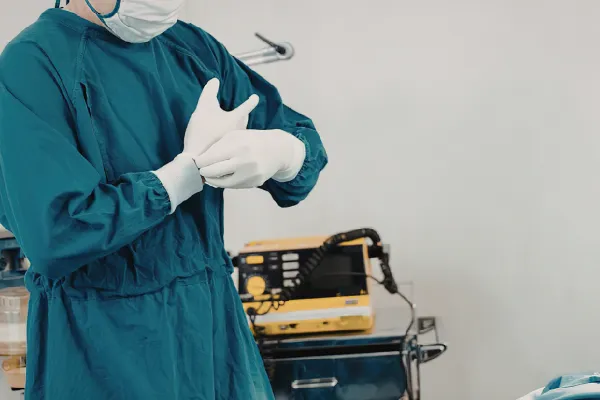
When Is Back Surgery Actually Necessary? Understanding Your Options for Chronic Back Pain
For people dealing with chronic back pain, disc injuries, or sciatica, one of the biggest concerns is the possibility of surgery.
Back surgery can sound intimidating, and many patients understandably want to avoid it if possible. At the same time, there are situations where surgery may be the most appropriate option.
The challenge is that many people are unsure when surgery is truly necessary and when conservative treatments may be worth exploring first.
Understanding how spinal problems develop, what symptoms indicate serious nerve involvement, and how treatment decisions are typically made can help patients feel more confident about their options.
In this article, we’ll explore when back surgery may be recommended, when conservative treatments are often considered first, and how disc pressure and nerve irritation influence treatment decisions.
Understanding the Structure of the Spine
The spine is a complex structure made up of individual bones called vertebrae stacked on top of each other.
Between each vertebra sits a cushion known as an intervertebral disc.
These discs play a vital role in spinal health by:
• Absorbing shock during movement
• Allowing the spine to bend and twist
• Maintaining spacing between vertebrae
• Protecting nearby spinal nerves
Each disc has a soft gel-like center surrounded by a stronger outer layer.
When discs are healthy, they distribute pressure evenly throughout the spine.
However, over time discs may become damaged due to:
• Aging
• Repetitive spinal stress
• Prolonged sitting
• Poor posture
• Injury or trauma
As discs weaken, they may bulge or herniate, potentially placing pressure on nearby nerves.
If you want to understand the difference between these conditions, read:
Bulging Disc vs Herniated Disc: What’s Actually Causing Your Pain?
Why Disc Injuries Can Cause Severe Pain
Many spinal conditions involve increased pressure within the spinal discs.
When discs bulge or herniate, they may press against the nerve roots that exit the spine.
These nerve roots form major nerves that travel through the body, including the sciatic nerve.
When the sciatic nerve becomes irritated, symptoms may include:
• Pain traveling down the leg
• Burning sensations in the calf or foot
• Tingling or numbness
• Muscle weakness
This pattern of symptoms is commonly referred to as sciatica.
You can learn more about recurring nerve pain in:
Why Sciatica Keeps Coming Back (Even After Injections or Physical Therapy)
When Conservative Treatment Is Often Recommended First
For many people experiencing back pain or disc injuries, conservative treatment options are often considered before surgery.
These treatments may focus on reducing inflammation, improving spinal mobility, and reducing pressure on spinal discs.
Common conservative treatments include:
• Physical therapy
• Postural correction
• Activity modification
• Anti-inflammatory medications
In some cases, these approaches may significantly improve symptoms.
However, if underlying disc pressure continues to irritate spinal nerves, symptoms may return.
Signs That Surgery May Be Necessary
Although many spinal conditions can improve with conservative care, there are situations where surgery may be recommended.
Certain symptoms may indicate that nerves are being severely affected.
Examples include:
Progressive Muscle Weakness
If nerve compression becomes severe, it may affect the muscles controlled by that nerve.
This can lead to:
• Difficulty lifting the foot
• Loss of leg strength
• Trouble walking normally
Progressive weakness may indicate significant nerve involvement.
Loss of Bowel or Bladder Control
In rare but serious cases, severe nerve compression may affect the nerves controlling bladder or bowel function.
This condition, known as cauda equina syndrome, is considered a medical emergency and typically requires immediate surgical attention.
Severe Spinal Instability
Certain injuries or structural problems may cause instability within the spine.
In these cases, surgery may be recommended to stabilize the spinal structures.
When Pain Alone Does Not Require Surgery
One of the most important things to understand is that pain alone does not necessarily mean surgery is required.
Even severe back pain or sciatica may improve with conservative treatment if the underlying condition allows the nerve to recover.
Many disc injuries gradually improve as inflammation decreases and the body adapts to structural changes.
However, if nerve compression continues over time, symptoms may persist.
The Role of Spinal Decompression Therapy
Because disc pressure plays a major role in many spinal conditions, some conservative therapies focus on reducing pressure inside spinal discs.
One such therapy is non-surgical spinal decompression.
Spinal decompression therapy uses controlled traction to gently stretch the spine.
In some cases, this process may help:
• Reduce pressure inside spinal discs
• Improve space around spinal nerves
• Encourage fluid movement within discs
• Support spinal healing
You can learn more about how this therapy works here:
How Spinal Decompression Works (A Mechanical Explanation)
What a Spinal Decompression Session Looks Like
Many patients are curious about what decompression therapy involves.
During treatment:
• The patient lies comfortably on a specialized decompression table
• A harness stabilizes the hips or torso
• Gentle traction cycles stretch and relax the spine
Most sessions last approximately 10–20 minutes.
Learn more about the treatment experience here:
What Happens During a Spinal Decompression Session
Why Some Treatments Only Address Symptoms
Many common treatments for back pain focus on reducing inflammation.
These treatments may include:
• Anti-inflammatory medications
• Physical therapy
• Steroid injections
While these approaches can help relieve symptoms temporarily, they may not address mechanical pressure within the spinal discs.
You can learn more about this in:
Why Injections Don’t Fix the Root Cause of Disc Pain
Understanding the Different Causes of Sciatica
Sciatic nerve pain can originate from several different spinal conditions.
Common causes include:
• Disc compression
• Spinal stenosis
• Piriformis muscle irritation
• Degenerative disc disease
Because the underlying cause varies, treatment approaches should be tailored accordingly.
Learn more in:
The 3 Types of Sciatica (And Why Treatment Must Match the Cause)
When Surgery May Be the Best Option
Although conservative treatments can help many individuals, surgery may sometimes provide the best outcome for certain spinal conditions.
Examples may include:
• Large disc herniations causing severe nerve compression
• Progressive neurological deficits
• Structural instability of the spine
• Emergency conditions affecting nerve function
In these cases, surgical intervention may relieve pressure on the affected nerve and restore stability to the spine.
Learn More About Non-Surgical Spinal Decompression
If you are exploring treatment options for chronic back pain or sciatica, understanding the mechanical causes of spinal pain may help guide your decisions.
Explore our complete guide to Non-Surgical Spinal Decompression for Chronic Back Pain and Sciatica to learn more about how this therapy works and whether it may be appropriate for your condition.


