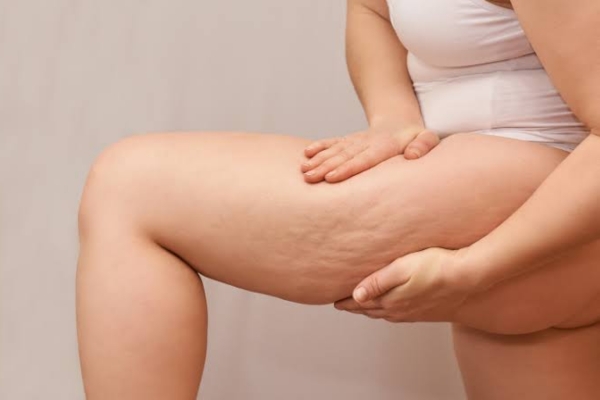
Why Some Areas of Fat Are Harder to Lose Than Others
Why Fat Loss Does Not Happen Evenly
Many people notice that some areas of the body respond quickly to diet and exercise while others seem to change very little.
The face, chest, or arms may become leaner first, while the lower abdomen, hips, or thighs remain relatively unchanged.
This is normal.
The body does not store or release fat evenly. Genetics, hormones, circulation, age, and the biology of fat cells all influence where fat is stored and which areas change first.
Understanding these differences can help people set more realistic expectations and avoid assuming that slower progress means their efforts are not working.
For a broader overview of available options, explore Non-Surgical Body Contouring in The Woodlands: Understanding Contour Light Therapy.
Why You Cannot Choose Where Fat Comes Off First
A common misconception is that exercising a specific body part will remove fat from that same area.
For example, abdominal exercises can strengthen the core, but they do not force the body to burn fat specifically from the stomach.
When the body needs energy, hormones signal fat cells throughout the body to release stored fatty acids.
However, some fat cells respond more readily to these signals than others.
This is why someone may notice visible changes in one area while another area remains resistant.
Exercise still plays an important role because it supports overall fat loss, muscle development, insulin sensitivity, and metabolic health. It simply cannot control the exact order in which the body releases fat.
How Fat Cells Store and Release Energy
Fat cells, also called adipocytes, store energy in the form of triglycerides.
When the body requires additional energy, those triglycerides are broken down into fatty acids and glycerol. These substances are then released into the bloodstream and used as fuel.
Not all fat cells respond to fat-burning signals in the same way.
Their behavior is influenced by receptors on the surface of the cells. These receptors respond to hormones and chemical messengers that either encourage fat release or make it more difficult.
Alpha and Beta Receptors
Two important receptor groups involved in fat metabolism are alpha and beta receptors.
Beta receptors generally support the breakdown and release of stored fat.
Alpha receptors can slow or inhibit fat release.
Areas with a higher proportion of beta receptors may respond more quickly during weight loss.
Areas with more alpha receptors may be slower to change.
The lower abdomen, hips, buttocks, and thighs commonly contain more fat cells that resist breakdown. This is one reason these areas are often described as stubborn fat zones.
Read Why Stubborn Fat Stops Responding to Diet and Exercise for a closer look at fat-loss plateaus.
Genetics Influence Fat Distribution
Genetics play a major role in determining where the body stores fat.
Some people naturally carry more weight around the abdomen, while others store it primarily in the hips, thighs, or lower body.
These patterns are sometimes described as:
Apple-shaped, with more fat stored around the waist
Pear-shaped, with more fat stored around the hips and thighs
Neither pattern means a person is doing anything wrong.
Genetics can influence:
the number of fat cells in different areas
hormone sensitivity
receptor patterns
circulation
where fat is lost first
This helps explain why two people following similar diets and exercise routines may develop very different body shapes.
Hormones Affect Where Fat Is Stored
Hormones help regulate appetite, metabolism, stress response, and body-fat distribution.
Some of the hormones involved include:
insulin
cortisol
estrogen
testosterone
thyroid hormones
For example, long-term stress may contribute to elevated cortisol levels, which can influence appetite and abdominal fat storage.
Estrogen changes during perimenopause and menopause may shift fat storage away from the hips and thighs and toward the abdomen.
Changes in testosterone may also affect muscle mass and overall body composition.
These hormonal influences often become more noticeable with age.
Read Why Belly Fat Becomes More Stubborn After 35 to learn more about midsection changes.
Insulin Sensitivity and Resistant Fat
Insulin helps regulate blood sugar and energy storage.
When the body becomes less sensitive to insulin, it may produce more insulin to keep blood sugar under control.
Higher insulin levels can make it more difficult for the body to release stored fat.
Reduced insulin sensitivity may be influenced by:
genetics
poor sleep
low activity levels
chronic stress
highly processed diets
reduced muscle mass
Regular movement, strength training, balanced nutrition, and adequate sleep may help support healthier insulin function.
Circulation Can Affect Fat Release
Blood flow also plays a role in fat metabolism.
Once fatty acids are released from fat cells, they must be transported through the bloodstream before the body can use them as energy.
Areas with lower circulation may release and transport fat more slowly.
The lower abdomen, hips, and thighs are common examples of areas that may receive less blood flow than other parts of the body.
This may help explain why these regions often change later in a weight-loss journey.
Some non-surgical body contouring technologies are designed to support cellular activity and circulation in targeted areas.
Learn more in Does Red Light Body Contouring Actually Work?
Age and Muscle Loss Can Change Body Shape
As people age, body composition often changes gradually.
Beginning in adulthood, muscle mass may decline unless it is maintained through regular resistance training.
Because muscle supports metabolism and creates shape beneath the skin, losing muscle may contribute to:
lower daily calorie expenditure
reduced strength
a softer appearance
greater fat accumulation over time
Hormonal changes and lower activity levels may add to these effects.
Strength training can help preserve lean muscle, support metabolic health, and improve overall body contour even when stubborn fat remains.
Skin Elasticity Also Affects Appearance
An area may still look soft after fat loss because skin elasticity and fat loss are separate issues.
Skin firmness depends partly on collagen and elastin.
These proteins may decline because of:
aging
pregnancy
sun exposure
genetics
significant weight changes
smoking
hormonal changes
When the skin does not contract fully after fat loss, the area may appear less defined.
This is especially common in the abdomen, upper arms, thighs, and neck.
Read Why Skin Gets Looser With Weight Loss—And What You Can Do About It for more information.
Why Weight Loss Does Not Always Change Body Shape
Weight loss reduces overall body mass, but it does not guarantee that every area will change equally.
Body shape is influenced by several factors at once:
fat-cell distribution
muscle tone
bone structure
skin elasticity
genetics
hormonal patterns
This is why someone may lose a meaningful amount of weight while still feeling dissatisfied with one specific area.
In these cases, the issue may be body contour rather than overall weight.
Understanding this distinction can help someone choose goals and strategies that are more realistic.
What Can Help With Stubborn Areas?
There is no way to guarantee fat loss from one exact location, but several habits can support healthier body composition.
These include:
consistent strength training
regular cardiovascular activity
adequate protein intake
balanced nutrition
sufficient sleep
stress management
stable, gradual weight loss
avoiding repeated crash diets
These strategies support overall fat loss, muscle maintenance, and metabolic health.
Progress may still happen more slowly in genetically resistant areas, but consistent habits remain the foundation.
When Body Contouring May Be Considered
Some people are already near a comfortable weight and follow healthy routines but continue to struggle with one or two localized areas.
This is often when they begin researching non-surgical body contouring.
Depending on the technology, these treatments may be designed to support:
localized fat metabolism
circulation
cellular activity
collagen production
skin appearance
They are not intended to replace diet and exercise or produce dramatic weight loss.
Who May Be a Good Candidate?
Body contouring is generally better suited for someone who:
is near a stable or goal weight
maintains healthy habits
has specific areas of concern
prefers a non-surgical approach
understands that results develop gradually
has realistic expectations
It may not be appropriate for someone seeking major weight loss or an immediate change after one session.
A proper consultation should review medical history, treatment goals, skin condition, and possible contraindications.
Learn more in Who Is Actually a Good Candidate for Body Contouring?
Final Thoughts
Some areas of fat are harder to lose because the body does not store or release fat evenly.
Fat-cell receptor patterns, genetics, hormones, circulation, age, muscle mass, and skin elasticity all affect how different areas respond.
The lower abdomen, hips, and thighs often change more slowly because they may contain more fat cells that resist breakdown and may receive less circulation.
This does not mean healthy habits are ineffective.
Diet, exercise, strength training, sleep, and stress management remain essential for long-term health and body composition.
For people who already maintain these habits but still struggle with a localized area, non-surgical body contouring may offer additional support alongside a healthy lifestyle.


