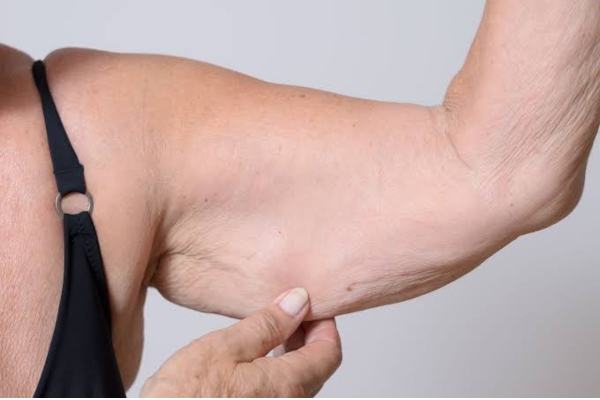
Why Skin Gets Looser With Weight Loss — And What You Can Do About It
Why Loose Skin Can Appear After Weight Loss
Losing weight can improve health, mobility, and confidence. However, some people notice that certain areas still appear soft or loose even after reaching a healthier weight.
Common areas include:
lower abdomen
upper arms
inner thighs
hips
neck and jawline
This can feel discouraging because the number on the scale may change faster than the appearance of the skin.
Fat loss and skin tightening are separate biological processes. While fat cells may shrink as weight decreases, the skin does not always contract at the same rate.
Age, genetics, collagen levels, pregnancy, sun exposure, and the speed of weight loss can all affect how well the skin adapts.
For a broader explanation of non-invasive treatment options, explore Non-Surgical Body Contouring in The Woodlands: Understanding Contour Light Therapy.
How Skin Elasticity Works
Skin is designed to stretch and move as the body changes.
Its ability to remain firm and return to its previous shape depends largely on two proteins:
Collagen, which provides strength and structure
Elastin, which allows the skin to stretch and recoil
When collagen and elastin are healthy and abundant, the skin generally appears smoother and more resilient.
Over time, the production and quality of these proteins decline. As a result, the skin may become thinner, less firm, and slower to adjust after weight changes.
Why Loose Skin Develops
Several factors influence whether the skin tightens naturally after weight loss.
Age and Collagen Decline
Collagen production gradually decreases with age.
As collagen levels fall, the skin may become:
thinner
less elastic
more prone to sagging
slower to recover after stretching
This is one reason people may notice more loose skin when losing weight in their 30s, 40s, or later compared with earlier adulthood.
Hormonal changes associated with aging may also affect skin thickness, hydration, and fat distribution.
The Amount of Weight Lost
The more the skin has stretched, the more difficult it may be for it to return fully to its previous shape.
Someone who loses a smaller amount of weight may experience minimal looseness. A person who loses a significant amount may notice more excess skin, particularly around the abdomen, arms, and thighs.
The length of time the skin remained stretched can also make a difference.
The Speed of Weight Loss
Rapid weight loss may not give the skin enough time to gradually adapt to changes in body size.
Slower weight loss may provide more time for the skin and connective tissues to adjust. However, gradual weight loss cannot completely prevent loose skin, especially when other factors such as age, genetics, or significant weight changes are involved.
Pregnancy
Pregnancy stretches the skin and abdominal tissues over several months.
After delivery, the skin may gradually contract, but the degree of recovery varies depending on:
genetics
maternal age
collagen levels
number of pregnancies
amount of stretching
changes in abdominal muscle tone
Some people continue to notice softness or looseness in the lower abdomen even after returning to their previous weight.
Read Can Body Contouring Help With Post-Pregnancy Belly Changes? for more information about these changes.
Fat Loss Does Not Always Create a Firm Appearance
Body shape is influenced by both fat distribution and skin elasticity.
When fat cells shrink but the skin remains stretched, the area may look softer or less defined. This can happen even when someone has made meaningful progress with nutrition and exercise.
Muscle tone also plays a role. If there is limited muscle beneath the skin, the area may appear less firm after weight loss.
This is why body composition, rather than body weight alone, often provides a clearer picture of physical changes.
Learn more about resistant fat deposits in Why Stubborn Fat Stops Responding to Diet and Exercise.
The Role of Collagen
Collagen is one of the primary structural components of the skin.
It helps maintain:
firmness
thickness
strength
smoothness
Collagen production may be affected by:
aging
sun exposure
smoking
hormonal changes
poor nutrition
chronic stress
oxidative damage
Supporting collagen health does not guarantee that loose skin will disappear, but it may help improve overall skin quality and resilience.
Can Red Light Therapy Support Skin Firmness?
Red light therapy uses specific wavelengths of light to interact with cells in the skin.
Research has explored its potential effect on fibroblasts, the cells responsible for producing collagen and elastin.
By supporting fibroblast activity and cellular energy, red light therapy may help improve:
skin texture
tone
elasticity
firmness
overall appearance
Some body contouring systems use red light technology to support both skin appearance and fat-cell metabolism.
These treatments are non-invasive and are generally performed as a series. Results tend to develop gradually because collagen production and tissue remodeling take time.
Read Does Red Light Body Contouring Actually Work? to learn more about the technology.
What You Can Do to Support Skin Health
No single habit can completely prevent or reverse loose skin, but several strategies may support healthier skin.
Maintain Adequate Hydration
Hydration helps support normal tissue function and skin appearance.
Dehydrated skin may appear thinner, duller, or less firm. Drinking adequate water throughout the day can support overall skin health, although hydration alone will not tighten significant loose skin.
Eat Enough Protein
Protein provides amino acids the body uses to build and repair tissue.
A balanced diet containing adequate protein may help support collagen production, muscle development, and connective tissue health.
Foods containing vitamin C, zinc, and copper also contribute to normal collagen formation.
Include Strength Training
Strength training may improve the appearance of areas affected by weight loss by building muscle beneath the skin.
This can create a firmer, more defined shape, particularly in the:
arms
legs
glutes
abdomen
shoulders
Strength training also helps preserve lean muscle during weight loss.
Protect the Skin From Sun Damage
Ultraviolet exposure can damage collagen and elastin fibers.
Using sun protection and limiting excessive UV exposure may help slow further loss of elasticity.
Avoid Repeated Weight Fluctuations
Repeated cycles of significant weight gain and loss can continually stretch the skin.
Maintaining a relatively stable weight may help protect the results of weight loss and reduce additional stress on connective tissues.
Why Skin Tightening Takes Time
Skin changes rarely happen immediately.
Collagen remodeling is a gradual biological process that may take weeks or months. The body must produce new structural proteins and reorganize tissue over time.
For this reason, treatments intended to support skin firmness are often provided in a series rather than as a single session.
Consistency allows the effects of each session to build while healthy habits support the body between treatments.
Learn more in Why Consistency Matters With Body Contouring Treatments.
Who May Benefit From Skin-Supportive Body Contouring?
Non-surgical body contouring may be worth considering for someone who:
has mild to moderate skin looseness
is near a stable or goal weight
maintains generally healthy habits
prefers a non-surgical approach
understands that results develop gradually
has realistic expectations
These treatments are not designed to remove large amounts of excess skin.
People with significant skin laxity may need to discuss additional options with an appropriately qualified medical provider.
A proper consultation should review medical history, treatment goals, skin quality, and whether the chosen technology is suitable.
Read Who Is Actually a Good Candidate for Body Contouring? for further guidance.
Final Thoughts
Loose skin after weight loss is common and is not a sign that weight-loss efforts were unsuccessful.
The skin’s response depends on collagen and elastin levels, age, genetics, pregnancy history, the amount of weight lost, and how long the skin remained stretched.
Healthy nutrition, hydration, resistance training, weight stability, and sun protection can all support skin health.
For people with mild looseness who want a non-surgical option, therapies that support collagen activity and cellular function may provide additional help. Results vary, and the most appropriate approach depends on the condition of the skin and the individual’s goals.


