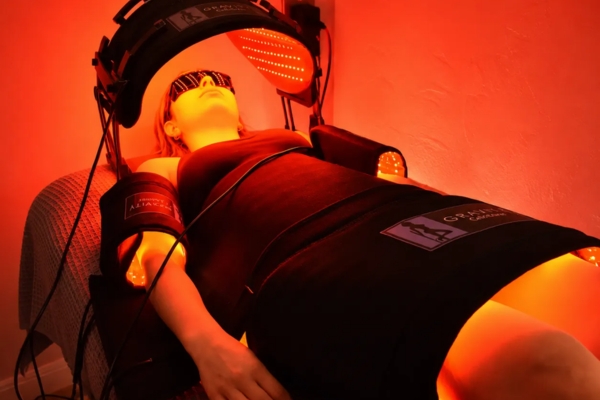
Why Consistency Matters With Body Contouring Treatments
Why More Than One Session Is Usually Recommended
One of the most common questions people ask about non-surgical body contouring is:
“How many sessions will I need?”
Many people hope a single treatment will create an immediate and lasting change. However, most non-surgical body contouring programs are designed as a series of sessions performed over several weeks.
This structure is intentional.
Unlike liposuction, which physically removes fat during surgery, non-surgical treatments rely on gradual biological responses. Depending on the technology, sessions may support cellular activity, circulation, collagen production, or the body’s normal fat-metabolism processes.
Because these changes take time, consistency can influence how well the body responds.
For a complete overview of the process, explore Non-Surgical Body Contouring in The Woodlands: Understanding Contour Light Therapy.
How Non-Surgical Body Contouring Works
Body-contouring technologies do not all work in the same way.
Some treatments use:
controlled cooling
ultrasound energy
radiofrequency energy
laser or red light
other forms of external energy
Depending on the technology, treatment may be intended to influence:
localized fat tissue
cellular activity
circulation
skin firmness
collagen-related processes
Most of these responses are gradual rather than immediate.
A single session may begin the process, but repeated treatments may provide more consistent stimulation and allow changes to build over time.
Biological Changes Take Time
The body is constantly repairing, adapting, and responding to different signals.
However, most of these processes do not happen overnight.
For example:
collagen remodeling may take weeks or months
skin changes develop gradually
metabolic processes occur continuously
the body needs time to respond between sessions
This is why a treatment plan should be evaluated over the full recommended series rather than after one isolated appointment.
Expecting a dramatic transformation after a single session can lead to disappointment and unrealistic expectations.
Learn more about cellular activity in How Red Light Therapy Supports Cellular Energy and Metabolism.
Why Treatments Are Scheduled as a Series
A structured treatment series gives the body repeated exposure to the intended therapy.
Each session is designed to support the overall treatment plan rather than function as a separate, unrelated treatment.
Depending on the technology and individual response, a series may support gradual changes in:
body measurements
the appearance of targeted areas
skin texture
skin firmness
clothing fit
Following the recommended schedule may also make it easier to evaluate whether the treatment is working.
Frequently missing appointments or leaving long gaps between sessions may interrupt the planned treatment sequence and make progress more difficult to assess.
The Role of Repeated Cellular Stimulation
Red light body-contouring systems use specific wavelengths of light intended to interact with cells.
This interaction is commonly referred to as photobiomodulation.
Certain wavelengths may influence mitochondria, the structures responsible for producing cellular energy in the form of ATP.
Repeated exposure may support processes related to:
cellular energy
circulation
tissue activity
collagen production
normal metabolic function
These effects are not expected to produce dramatic weight loss. Instead, they may support gradual changes in a targeted area as part of a complete program.
Read Does Red Light Body Contouring Actually Work? for a closer look at the technology.
Fat Metabolism Is an Ongoing Process
Fat cells store energy as triglycerides.
When stored fat is released, the body must still transport and process the fatty acids through normal metabolic pathways.
This does not occur all at once.
Body-contouring treatments do not eliminate the need for normal metabolism, physical activity, or balanced nutrition. They are generally intended to complement these processes.
This is one reason a treatment series is often combined with supportive habits such as hydration and movement.
Learn why certain areas may respond more slowly in Why Some Areas of Fat Are Harder to Lose Than Others.
Healthy Habits Support the Treatment Process
Consistency does not apply only to attending appointments.
Lifestyle habits also influence body composition and may affect how well results are maintained.
Supportive habits include:
regular movement
strength training
adequate hydration
balanced nutrition
sufficient protein
consistent sleep
stress management
maintaining a relatively stable weight
Movement is especially helpful because active muscles use energy and support circulation.
Healthy habits cannot guarantee a specific result, but they help create a more supportive environment for the body throughout the treatment program.
Hydration and Movement
Some body-contouring programs recommend adequate hydration and light activity before or after sessions.
Water supports normal circulation and metabolic function, while movement encourages blood flow and energy use.
Appropriate activity may include:
walking
light cycling
gentle strength training
normal daily movement
The right level of activity depends on the individual’s health and the type of treatment being performed.
Patients should follow the instructions provided for their specific program rather than assuming all body-contouring technologies require the same aftercare.
Why Gradual Results Can Be Beneficial
Non-surgical body contouring generally creates more gradual changes than surgery.
This can allow the body and skin to adjust progressively.
Possible changes may include:
a more defined waistline
improved clothing fit
subtle measurement changes
smoother-looking skin
gradual improvement in targeted areas
Because changes may be subtle from week to week, patients do not always notice them immediately.
Progress tracking can make these changes easier to evaluate.
How Progress Should Be Tracked
Body weight alone may not accurately reflect body-contouring progress.
A person’s weight can fluctuate because of hydration, digestion, hormones, and other factors.
Programs may instead track:
circumference measurements
standardized photographs
clothing fit
treatment attendance
skin appearance
periodic reassessments
Measurements and photographs should be taken under similar conditions whenever possible.
Consistent tracking helps both the patient and provider assess whether the treatment plan is producing a meaningful response.
Why Results Vary
Completing every session does not guarantee the same result for every person.
Response may be influenced by:
starting body composition
age
genetics
hormonal health
skin elasticity
treatment area
metabolism
lifestyle habits
the technology being used
Someone with mild, localized concerns may respond differently from someone seeking significant fat loss or substantial skin tightening.
This is why treatment plans and expectations should be individualized.
Who May Benefit From a Structured Program?
Non-surgical body contouring is generally better suited for someone who:
is near a stable or comfortable weight
maintains relatively healthy habits
has one or more localized areas of concern
prefers a non-surgical approach
can follow the recommended schedule
understands that results may be gradual
has realistic expectations
These treatments are not designed to treat obesity or create major weight loss.
Read Who Is Actually a Good Candidate for Body Contouring? for more information about candidacy.
What Happens After the Treatment Series?
Once the initial series is complete, the provider may reassess measurements, photographs, and overall response.
Depending on the results and treatment goals, the next step may involve:
completing the program with no additional sessions
allowing more time for changes to develop
discussing occasional maintenance
adjusting lifestyle habits
exploring a different option if the response was limited
Maintenance recommendations vary by technology and individual.
The long-term appearance of treated areas may also be affected by weight fluctuations, pregnancy, aging, and changes in activity or nutrition.
Final Thoughts
Consistency matters because non-surgical body contouring relies on gradual biological responses rather than immediate fat removal.
A structured treatment series allows the body to receive repeated stimulation while progress is tracked over time.
Healthy nutrition, regular movement, hydration, sleep, and weight stability also remain important throughout the process.
Body contouring should not be viewed as a one-session shortcut. It is better understood as a supportive program for appropriate candidates who are willing to follow the treatment schedule and maintain realistic expectations.


