Does Red Light Body Contouring Actually Work?
Understanding Red Light Body Contouring
Red light therapy has been used in wellness and clinical settings for applications involving skin health, recovery, circulation, and cellular function.
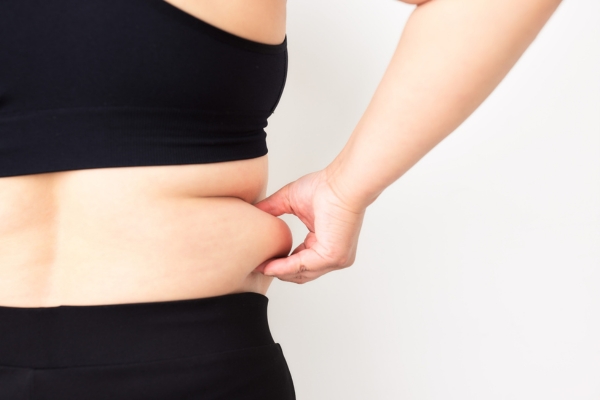
More recently, it has become part of non-surgical body contouring programs designed to support changes in stubborn areas such as the abdomen, hips, thighs, and upper arms.
This leads many people to ask: Does red light body contouring actually work?
The answer depends on what someone expects from the treatment. Red light body contouring is not designed to produce dramatic weight loss or replace nutrition and exercise. Instead, it may support gradual changes in body measurements, skin appearance, and targeted areas when used consistently as part of a structured program.
For a broader introduction, visit Non-Surgical Body Contouring in The Woodlands: Understanding Contour Light Therapy.
What Is Red Light Therapy?
Red light therapy uses specific wavelengths of red and near-infrared light that interact with cells in the body.
This process is commonly called photobiomodulation.
The light is believed to influence structures within cells called mitochondria. Mitochondria help produce adenosine triphosphate, or ATP, which cells use for energy.
By supporting cellular energy production, red light therapy may influence processes related to:
circulation
tissue recovery
collagen activity
cellular function
metabolic activity
Body contouring systems apply this technology to targeted areas of the body through light-emitting panels or pads.
How Red Light Therapy May Affect Fat Cells
Fat cells store energy in the form of triglycerides.
Research into red light body contouring suggests that certain wavelengths may temporarily influence fat-cell membranes, allowing some stored contents to be released.
These fatty acids and glycerol may then be processed through the body’s normal metabolic pathways.
Unlike liposuction, this process does not surgically remove fat cells. It also differs from treatments designed to freeze or destroy fat tissue.
Instead, red light body contouring is intended to support the body's natural cellular and metabolic processes.
This is why the treatment is often most appropriate for people who already maintain healthy habits but continue to struggle with specific areas.
Learn why these areas may become resistant in Why Stubborn Fat Stops Responding to Diet and Exercise.
Does One Session Produce Results?
Some people may notice a temporary change in measurements after an individual session, but meaningful and lasting body-contouring goals generally require consistency.
Red light body contouring is usually provided as a series of treatments over several weeks.
Repeated sessions may help support a more consistent biological response, while hydration, movement, sleep, and nutrition help the body manage normal metabolic processes.
A treatment series may also make it easier to track changes through:
circumference measurements
progress photographs
scheduled reassessments
changes in clothing fit
For more information, read Why Consistency Matters With Body Contouring Treatments.
The Role of Cellular Energy
One reason red light therapy is used in different areas of wellness is its potential effect on cellular energy.
ATP provides energy for many cellular functions. When cells have adequate energy, they may be better able to perform processes involving repair, circulation, and tissue activity.
In body contouring programs, this cellular support may contribute to gradual changes in targeted areas.
However, red light therapy should not be viewed as a shortcut around healthy habits. Its role is generally complementary.
A balanced program may also include:
regular movement
adequate hydration
sufficient protein
balanced nutrition
healthy sleep habits
Explore the cellular process further in How Red Light Therapy Supports Cellular Energy and Metabolism.
Can Red Light Therapy Support Skin Tightening?
Body contouring is not only about reducing measurements.
Skin tone and elasticity also affect how an area looks, particularly after pregnancy, aging, or weight changes.
Collagen and elastin help provide structure and firmness to the skin. Production of these proteins naturally declines over time.
Red light therapy has been studied for its potential to support fibroblast activity. Fibroblasts are cells involved in producing collagen and elastin.
This may help support improvements in:
skin texture
firmness
elasticity
overall appearance
Results vary, and red light therapy cannot correct every cause or degree of loose skin.
Learn more in Why Skin Gets Looser With Weight Loss—And What You Can Do About It.
How Does It Compare With Other Body-Contouring Treatments?
Non-surgical body contouring includes several types of technology.
Cryolipolysis
Cryolipolysis uses controlled cooling to target fat cells. The body gradually processes the affected cells after treatment.
Ultrasound Cavitation
Ultrasound-based systems use sound-wave energy to influence fat tissue.
Radiofrequency
Radiofrequency treatments heat targeted tissue and are commonly used to support collagen activity and skin firmness.
Red Light Therapy
Red light therapy focuses on cellular stimulation rather than freezing, heating, or surgically removing tissue.
Each option has different treatment protocols, candidacy requirements, expected outcomes, and possible risks.
Understanding these differences can help someone choose an option that better matches their comfort level and goals.
Read Body Contouring vs. Liposuction: What’s the Difference? for a comparison with surgical fat removal.
Is Red Light Body Contouring Safe?
Red light body contouring is non-invasive and does not involve incisions, needles, anesthesia, or surgical recovery.
Most people describe sessions as comfortable and relaxing. There is generally little to no downtime, allowing patients to resume normal activities after treatment.
However, non-invasive does not automatically mean appropriate for everyone.
A consultation should review:
medical history
current health conditions
medications
treatment areas
goals and expectations
possible contraindications
This screening helps determine whether treatment can be performed safely and whether the expected outcome is realistic.
Learn what the evaluation may include in What to Expect During a Body Contouring Consultation.
Who May Be a Good Candidate?
Red light body contouring is generally intended for people who want help shaping specific areas rather than losing a significant amount of weight.
A potential candidate may:
be close to a comfortable or goal weight
maintain generally healthy habits
struggle with localized areas of fat
prefer a non-surgical approach
be willing to complete a treatment series
have realistic expectations
It may not be appropriate for someone seeking rapid or dramatic weight loss from a single treatment.
For a more detailed overview, read Who Is Actually a Good Candidate for Body Contouring?.
What Results Should You Expect?
Results vary from person to person.
Factors that may influence progress include:
treatment consistency
starting body composition
hydration
nutrition
physical activity
metabolism
hormonal health
skin elasticity
Changes are usually evaluated over time rather than after one isolated session.
Patients may notice differences in measurements, clothing fit, skin appearance, or the contour of targeted areas. However, no treatment can guarantee the same result for every person.
Final Thoughts
Red light body contouring may support gradual changes in targeted areas by influencing cellular energy, circulation, fat-cell activity, and collagen-related processes.
It is not a replacement for weight loss, exercise, or healthy nutrition. It is best understood as a complementary option for people who already maintain healthy habits but want additional support with stubborn areas.
The most important considerations are choosing an appropriate treatment plan, completing the recommended series, maintaining supportive habits, and setting realistic expectations.


