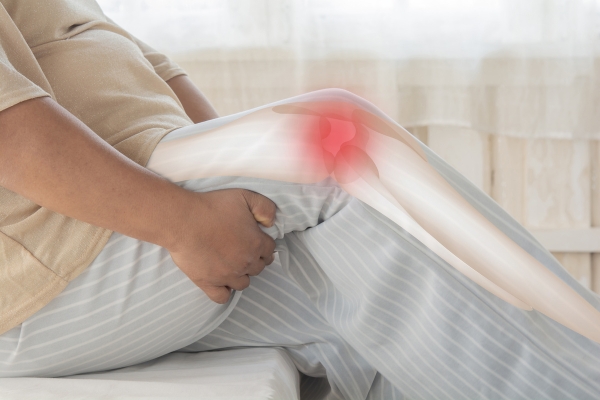
How Poor Circulation Can Make Knee Pain Worse
If you have chronic knee pain, most advice focuses on cartilage, arthritis, inflammation, or aging.
But one major factor is often overlooked:
Circulation.
Your knee joint, surrounding muscles, tendons, ligaments, and soft tissues rely on healthy blood flow to receive oxygen, nutrients, and repair support. When circulation is poor, tissues may become more irritated, more inflamed, slower to recover, and stiffer over time.
That means poor circulation may not be the only reason your knee hurts—but it can absolutely make an already painful knee worse.
For many adults in The Woodlands dealing with knee arthritis, stiffness, swelling, or slow recovery, improving circulation can be an important piece of a smarter non-surgical plan.
Wondering if poor circulation may be contributing to your knee pain? Schedule a Free Knee Relief Discovery Call here.
Why Circulation Matters for Knee Health
Every tissue in and around the knee depends on blood flow.
That includes:
Muscles that stabilize the joint
Tendons and ligaments
Joint lining tissues
Bone structures
Healing soft tissue
Surrounding connective tissue
Healthy circulation helps deliver:
Oxygen
Nutrients
Immune support
Recovery signals
Waste removal
When circulation is reduced, tissues may become less resilient and slower to bounce back after everyday stress.
That’s especially important in knees already dealing with arthritis or degeneration.
For a complete guide to non-surgical options, read our pillar page:
Knee Pain Relief in The Woodlands: Non-Surgical Options Before Knee Replacement
Signs Poor Circulation May Be Affecting Your Knee
While circulation problems are not always obvious, common clues can include:
Knee stiffness after sitting
Slower warm-up before movement feels better
Aching with weather changes
Persistent swelling
Heavy or tired legs
Slow recovery after activity
Cold legs or feet
Tight surrounding muscles
Reduced walking tolerance
Poor circulation can also combine with inflammation, weakness, and arthritis—making symptoms feel worse than they need to.
How Reduced Blood Flow Can Increase Knee Pain
1. Slower Tissue Recovery
Everyday movement creates minor stress on joints and soft tissue. Normally, the body repairs and recovers.
When blood flow is poor, recovery can slow down.
That may lead to:
Longer soreness
More stiffness
Increased irritation after activity
2. More Inflammation Build-Up
Circulation helps transport waste products and support normal tissue balance.
When movement and blood flow are low, inflammatory processes may linger longer.
That can create:
Puffiness
Swelling
Morning stiffness
Flare-ups after simple activity
Related Reading:
3. Weaker Support Muscles
Muscles need blood flow to function well.
If circulation and activity levels decline, the quads, glutes, hamstrings, and calves may weaken over time.
That means less support for the knee joint itself.
Related Reading:
4. Less Movement Creates More Pain
Many people with knee pain start moving less.
But less movement often means:
Less circulation
More stiffness
More weakness
Lower tolerance for activity
This can become a frustrating cycle.
Pain leads to rest.
Rest leads to poorer circulation.
Poor circulation contributes to more pain.
Related Reading:
Why This Is Common in Adults Over 45
As we age, several factors may naturally affect circulation:
Reduced daily movement
More sitting time
Weight gain
Vascular changes
Chronic inflammation
Previous injuries
Less muscle mass
That doesn’t mean decline is inevitable.
It simply means circulation becomes more important to prioritize—not less.
Knee Arthritis + Poor Circulation = A Tough Combination
If you already have knee osteoarthritis, the joint may be dealing with:
Cartilage wear
Inflammation
Reduced range of motion
Compensation patterns
Now add poor circulation, and tissues may become even slower to recover.
That’s one reason two people with similar X-rays can feel very different.
One moves often, has better strength, and healthier blood flow.
The other is stuck in a pain-rest-stiffness cycle.
Related Reading:
How to Naturally Support Better Circulation for Knee Pain
1. Walk Consistently
Frequent light walking can be one of the best ways to improve lower-body blood flow.
Even short walks matter.
2. Strengthen the Legs
Muscles act like pumps that help circulation.
Especially:
Calves
Quads
Glutes
3. Avoid Long Sitting Periods
Standing and moving every 30–60 minutes can help.
4. Improve Mobility
Gentle motion helps fluid exchange and reduces stiffness.
5. Hydration and Nutrition
General health supports vascular health.
6. Structured Therapy Approaches
Depending on candidacy, some people benefit from circulation-focused therapies as part of a broader knee plan.
What Circulation Alone Cannot Fix
Let’s be honest:
Improving blood flow does not magically erase severe arthritis or rebuild a damaged knee overnight.
But it can help improve the environment around the joint.
That may support:
Better comfort
Less stiffness
Improved recovery
More movement tolerance
Better function
And that often matters greatly in daily life.
Signs You Should Get Your Knee Evaluated
If you’re experiencing:
Chronic swelling
Pain with walking
Stiffness after sitting
Trouble on stairs
Slower recovery after activity
Knee pain getting worse month to month
…it may be time to understand what factors are contributing.
That includes circulation, strength, mechanics, and inflammation.
If your knee feels stiff, swollen, or slow to recover, book your Free Knee Relief Discovery Call here.
Why a Full Evaluation Matters
Many people are told they “just have arthritis.”
But arthritis may only be part of the story.
Your symptoms may also involve:
Weakness
Poor mechanics
Reduced circulation
Instability
Inflammation cycles
The best plans usually address multiple factors—not just one diagnosis label.
Related Reading:
What We Believe at Knee Studio
Knees don’t exist in isolation.
They are part of a movement and recovery system.
That means helping your knee often involves improving:
Joint environment
Strength
Stability
Confidence
Circulation
Daily movement capacity
That’s a smarter long-term strategy than symptom chasing alone.
Final Thoughts
Poor circulation may not be the headline cause of knee pain—but it is often an overlooked amplifier.
When blood flow declines, tissues can become stiffer, weaker, slower to recover, and more inflamed.
For many adults, improving circulation is one of the missing pieces in getting their knee moving better again.
Take the first step toward better knee function. Schedule your Free Knee Relief Discovery Call today.


