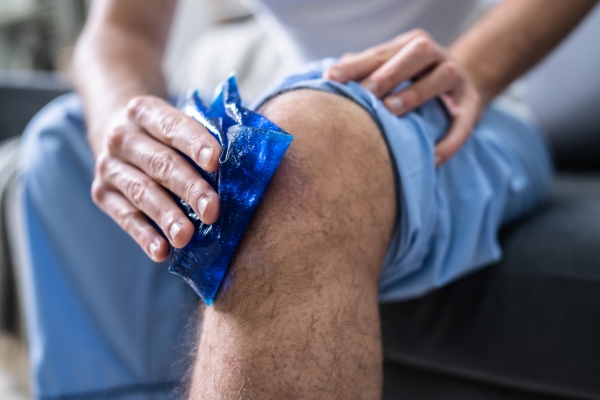
Why Rest Alone Does Not Fix Chronic Knee Pain
If your knee has been hurting for weeks, months, or even years, one of the most common instincts is to rest it.
That seems logical.
If movement hurts, then less movement should help… right?
Sometimes short-term rest is useful during an acute flare-up.
But when knee pain becomes chronic, rest alone often makes the problem worse over time.
Many adults notice this frustrating pattern:
The more they rest, the stiffer the knee gets
They lose confidence using the leg
Walking tolerance drops
Stairs become harder
The knee feels weaker than before
That happens because chronic knee pain is often influenced by more than irritation alone.
It is also shaped by:
Strength
Circulation
Mobility
Stability
Tissue tolerance
Confidence in movement
When those decline, symptoms often grow.
At Knee Studio, we help people understand why strategic movement—not endless rest—is often the smarter path forward.
If you’ve been resting your knee but it keeps getting worse, schedule a Free Knee Relief Discovery Call here.
When Rest Does Make Sense
Let’s be clear:
Rest has a role.
Short-term unloading can help after:
A sudden flare-up
New swelling
Overuse soreness
Acute irritation
Temporary aggravation after activity
Sometimes a few days of reduced stress is exactly what the knee needs.
The issue begins when short-term rest becomes the long-term plan.
For a complete guide to natural knee relief options, read our pillar page:
Knee Pain Relief in The Woodlands: Non-Surgical Options Before Knee Replacement
What Happens When You Rest Too Much
1. Muscles Weaken Quickly
The knee depends heavily on surrounding muscles for support.
When movement decreases, the body may lose strength in the:
Quadriceps
Glutes
Hamstrings
Calves
Core stabilizers
This means the knee often absorbs more stress once activity resumes.
Related Reading:
2. Stiffness Increases
Joints often like motion.
Movement helps maintain:
Range of motion
Joint fluid exchange
Soft tissue flexibility
Tissue tolerance
Too much inactivity commonly leads to:
Morning stiffness
Tight bending
Difficulty standing after sitting
Reduced walking comfort
3. Circulation Drops
Movement supports blood flow.
When activity decreases, circulation may decline—especially in adults already dealing with aging joints or sedentary routines.
Poor circulation can slow recovery and increase discomfort.
Related Reading:
4. Confidence Falls
Many people begin avoiding stairs, walks, travel, exercise, and daily movement.
Then fear grows:
“My knee can’t handle that anymore.”
“I’m damaging it every time I move.”
“I should be careful all the time.”
That fear often limits progress more than the knee itself.
The Pain-Rest-Decline Cycle
This is one of the most common loops in chronic knee pain:
Pain → Rest → Weakness → Less tolerance → More pain
Then the person rests even more.
Over months, the knee may feel dramatically worse—not always because arthritis rapidly worsened, but because function declined.
Related Reading:
Why Rest Feels Good at First
Rest can reduce aggravation temporarily.
That creates the illusion that rest is the full solution.
But if strength, movement quality, and tolerance are never rebuilt, symptoms usually return once normal life resumes.
That’s why many people say:
“It felt better while I stayed off it.”
“Then it came right back when I got active again.”
Chronic Knee Pain Is Often a Capacity Problem
Many knees hurt because current demands exceed current capacity.
For example:
Weak legs + long walks
Poor mechanics + stairs
Extra bodyweight + low strength
Sedentary lifestyle + weekend activity spikes
If capacity improves, symptoms often improve.
That means the real solution is often not less life—it’s better preparation for life.
What Works Better Than Endless Rest
1. Smart Strength Training
Especially:
Quads
Glutes
Calves
Balance muscles
2. Gradual Walking Progression
Consistency often beats intensity.
3. Mobility Work
Gentle movement restores confidence and motion.
4. Load Management
Do enough to improve—but not enough to flare badly.
5. Better Mechanics
How you walk, stand, and climb stairs matters.
Related Reading:
What About Arthritis?
Many adults with arthritis believe rest protects the joint.
But long-term inactivity often makes arthritic knees feel worse by increasing weakness and stiffness.
That doesn’t mean reckless exercise.
It means strategic movement.
Related Reading:
Signs Rest Is No Longer Helping
If you notice:
More stiffness after sitting
Lower walking tolerance
Increased weakness
Needing railings now
Weight gain since pain began
Less confidence using the leg
Pain returns anytime activity resumes
…rest alone is likely no longer enough.
If resting hasn’t solved your knee pain, book your Free Knee Relief Discovery Call here.
Does This Mean Push Through Pain?
No.
There is a huge difference between:
Smart Progression
Gradually rebuilding capacity with guidance.
Reckless Overdoing It
Ignoring sharp pain and repeatedly flaring the knee.
The right path is usually in the middle.
What We Focus On at Knee Studio
We look at why the knee became low-capacity in the first place.
That may include:
Strength loss
Instability
Poor mechanics
Inflammation cycles
Fear of movement
Weight-bearing tolerance
Then we build a realistic plan around those findings.
Related Reading:
Final Thoughts
Rest can help short-term flare-ups.
But chronic knee pain usually needs more than rest.
When movement disappears, strength, circulation, confidence, and tolerance often decline—and the knee may feel worse over time.
For many adults, the smarter solution is not endless rest.
It’s strategic rebuilding.
Take the first step toward stronger, more capable knees. Schedule your Free Knee Relief Discovery Call today.


