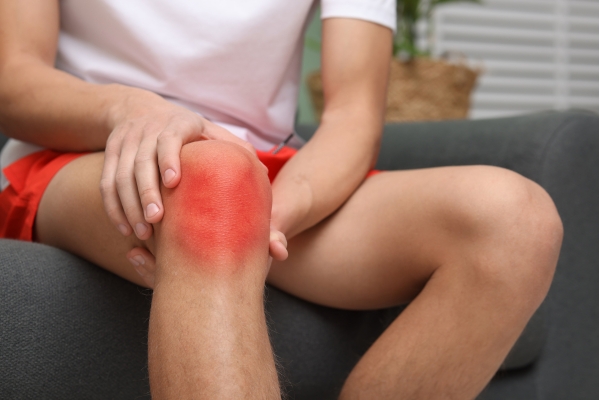
The Inflammation–Mobility Loop: Why Knee Pain Keeps Getting Worse
If your knee pain seems to get worse month after month, it may feel like your body is simply “wearing out.”
Many adults say things like:
“Every month it feels a little stiffer.”
“I move less now because it hurts.”
“The more I rest, the worse it gets.”
“I thought slowing down would help.”
What many people don’t realize is they may be stuck in a hidden cycle called the Inflammation–Mobility Loop.
It often works like this:
Pain leads to less movement.
Less movement leads to more stiffness and weakness.
That creates more inflammation and poorer function.
Which leads to even more pain.
And the cycle repeats.
This loop is one of the most common reasons knee pain gradually worsens over time—even when someone is trying to “be careful.”
At Knee Studio, we help people understand how to break this cycle before the knee declines further.
If your knee keeps getting stiffer or worse each month, schedule a Free Knee Relief Discovery Call here.
What Is the Inflammation–Mobility Loop?
It’s the cycle where inflammation reduces movement, and reduced movement worsens the conditions that create more inflammation.
In simple terms:
Step 1: Knee Gets Irritated
Maybe from:
Arthritis
Overuse
Meniscus irritation
Old injuries
Weakness
Weight gain
Poor mechanics
Step 2: Movement Becomes Uncomfortable
So you naturally start doing less.
Step 3: The Body Deconditions
Less movement can lead to:
Weakness
Stiffness
Reduced circulation
Lower balance
More joint stress
Step 4: Symptoms Increase
Now the knee feels worse than before.
That often leads to even less movement.
For a complete guide to non-surgical options, read our pillar page:
Knee Pain Relief in The Woodlands: Non-Surgical Options Before Knee Replacement
Why Rest Sometimes Backfires
Rest has value during flare-ups.
But long-term over-resting often creates new problems.
When movement drops too low, the body loses:
Strength
Endurance
Range of motion
Confidence
Tissue tolerance
That means the knee may become more sensitive to normal daily activity.
Someone who once tolerated a one-mile walk may now hurt after ten minutes.
Related Reading:
Signs You May Be Stuck in the Loop
Many adults don’t realize it’s happening until function has declined.
Common clues include:
More stiffness after sitting
Slower walking speed
Less confidence on stairs
Avoiding walks you used to enjoy
Needing railings now
Swelling after simple activity
Gaining weight since pain started
Feeling weaker in one leg
These are not random aging signs.
They often reflect the loop in action.
Why Inflammation Feels Worse When You Move Less
Movement helps regulate many systems that support healthy joints.
Regular motion can improve:
Circulation
Synovial fluid movement in joints
Muscle activation
Tissue tolerance
Recovery capacity
When movement disappears, tissues often become more irritable.
Related Reading:
Why Weakness Makes Arthritis Feel Worse
Many people blame all pain on cartilage wear.
But weakness often amplifies symptoms.
If the quads, glutes, and stabilizers weaken, the knee may absorb more direct stress during:
Walking
Standing up
Stairs
Carrying groceries
Getting off the floor
That means a mildly arthritic knee can feel severely painful if support systems decline.
Related Reading:
Why Fear Keeps the Cycle Going
After repeated pain, many people start thinking:
“I’m damaging it every time I move.”
“I should avoid stairs completely.”
“Exercise will make it worse.”
“My knee is fragile.”
Sometimes caution is wise.
But excessive fear often leads to more avoidance—and more decline.
This is why education matters.
Related Reading:
How to Break the Inflammation–Mobility Loop
1. Move More Strategically, Not Randomly
The answer is not “do nothing” or “push through everything.”
The answer is smart progression.
2. Rebuild Strength
Especially:
Quads
Glutes
Calves
Balance muscles
3. Improve Daily Circulation
Walking, light movement, and consistent activity help.
4. Reduce Overload
Better mechanics and bodyweight management can matter greatly.
5. Respect Flare-Ups Without Quitting
Temporary symptom spikes do not always mean harm.
What NOT to Do
Wait Until It Gets Severe
The loop usually gets harder to reverse over time.
Depend Only on Temporary Relief
Shots, meds, and braces may help symptoms—but often don’t reverse deconditioning alone.
Related Reading:
Assume Surgery Is the Only Next Step
Many people still have room to improve function first.
Related Reading:
Who Often Responds Best
You may be a strong candidate for conservative care if:
You’re moving less because of pain
Walking tolerance has dropped
You feel weaker or stiffer
Stairs are harder than before
You want to stay active
You’re not ready for surgery
If your knee pain is slowly shrinking your lifestyle, book your Free Knee Relief Discovery Call here.
What We Focus On at Knee Studio
We look beyond pain alone.
We assess:
Strength loss
Stability
Movement mechanics
Inflammation patterns
Walking tolerance
Confidence in movement
Because stopping the loop often requires addressing multiple factors at once.
Related Reading:
Final Thoughts
Many knees don’t worsen only because of arthritis.
They worsen because inflammation reduces movement—and reduced movement accelerates decline.
That is the Inflammation–Mobility Loop.
The good news?
Loops can be broken.
With the right strategy, many adults improve strength, mobility, and confidence before surgery becomes the default path.
Take the first step toward breaking the cycle. Schedule your Free Knee Relief Discovery Call today.


