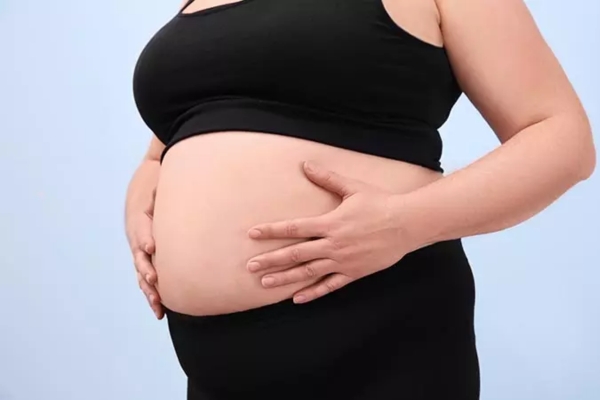
Can Body Contouring Help With Post-Pregnancy Belly Changes?
Why the Abdomen Changes After Pregnancy
Pregnancy creates significant changes throughout the body.
The abdomen expands to support a growing baby, the skin stretches, the abdominal wall adapts, and hormones influence metabolism, circulation, and fat storage.
After delivery, many women expect their midsection to gradually return to its pre-pregnancy shape through exercise and healthy eating.
For some, this happens naturally over time. For others, the abdomen continues to look or feel different even after returning to a comfortable weight.
Common changes include:
a softer lower abdomen
stubborn fat around the waist
mild skin looseness
reduced abdominal tone
a change in overall body shape
These changes are common and do not necessarily mean that someone is doing anything wrong.
For a broader introduction to available options, explore Non-Surgical Body Contouring in The Woodlands: Understanding Contour Light Therapy.
Why Post-Pregnancy Belly Changes Are So Common
During pregnancy, the abdominal muscles, skin, and connective tissues must stretch considerably.
Hormonal changes also help prepare the body for pregnancy and childbirth by affecting tissue flexibility, fluid retention, appetite, and fat storage.
After delivery, the body begins to recover, but this process takes time.
The final appearance of the abdomen may depend on:
genetics
age
number of pregnancies
amount of weight gained
skin elasticity
muscle strength
hormonal changes
recovery time
Some women experience minimal lasting changes, while others notice that the lower abdomen remains softer or less defined.
Why Stubborn Fat May Remain After Pregnancy
The body naturally stores additional energy during pregnancy to support both mother and baby.
Some of this fat is commonly stored around the abdomen, hips, and thighs.
After pregnancy, these areas may become harder to change because of:
ongoing hormonal fluctuations
reduced activity during recovery
disrupted sleep
stress
changes in insulin sensitivity
altered fat distribution
Even when overall weight decreases, the lower abdomen may be one of the last areas to respond.
This is partly because the body does not lose fat evenly. Genetics and hormone sensitivity influence which areas change first and which remain more resistant.
Learn more in Why Stubborn Fat Stops Responding to Diet and Exercise.
Hormones Continue to Change After Delivery
Hormones do not immediately return to pre-pregnancy levels after childbirth.
The body may continue adjusting for months, especially during breastfeeding, recovery, and periods of disrupted sleep.
These changes can influence:
appetite
energy
mood
fat storage
metabolism
fluid balance
Sleep loss may also affect hormones involved in hunger and fullness, making healthy routines harder to maintain.
This does not mean post-pregnancy weight changes are unavoidable. It simply means the body may need more time and support than expected.
Skin Elasticity and the Lower Abdomen
The skin stretches substantially during pregnancy.
After delivery, it may gradually contract, but the degree of tightening varies from person to person.
Skin recovery is influenced by:
collagen levels
elastin quality
age
genetics
sun exposure
number of pregnancies
how much the skin stretched
Collagen provides strength and firmness, while elastin allows the skin to stretch and return toward its original shape.
When these proteins are reduced or damaged, the skin may remain looser or softer.
Read Why Skin Gets Looser With Weight Loss—And What You Can Do About It for a closer look at skin elasticity.
Abdominal Muscle Changes Also Matter
Not every post-pregnancy belly change is caused by fat or loose skin.
The abdominal muscles may become weakened or stretched during pregnancy.
Some women also experience diastasis recti, a separation of the abdominal muscles along the midline.
This can cause:
a visible abdominal bulge
reduced core strength
lower-back discomfort
difficulty stabilizing the trunk
a softer or rounded appearance
Body contouring treatments do not repair muscle separation.
Women who suspect diastasis recti should be evaluated by an appropriately qualified healthcare provider or pelvic-health physical therapist before beginning an exercise or body-contouring program.
Why Exercise May Not Address Every Concern
Exercise remains one of the most valuable tools for supporting postpartum health.
Strength training, walking, and core rehabilitation may improve:
muscle tone
posture
strength
metabolic health
overall body composition
However, exercise cannot control exactly where the body loses fat.
Someone may strengthen the abdominal muscles and reduce overall body fat while still noticing softness, loose skin, or a resistant area in the lower abdomen.
This does not mean exercise has failed. Body shape is influenced by fat distribution, skin elasticity, muscle tone, and connective tissue changes together.
Weight Loss and Body Contouring Are Different
Weight loss refers to a decrease in overall body mass.
Body contouring focuses on the size, shape, or appearance of a particular area.
A woman may return to her pre-pregnancy weight but still notice that her abdomen looks different because:
fat is distributed differently
the skin has stretched
abdominal muscles have changed
collagen levels have declined
Understanding this distinction helps set more realistic expectations.
A lower number on the scale does not always produce the exact body shape someone had before pregnancy.
How Non-Surgical Body Contouring May Help
Non-surgical body contouring treatments are designed to support specific areas without surgery.
Depending on the technology, these treatments may target:
localized fat
skin appearance
circulation
collagen activity
cellular function
Red light body contouring uses specific wavelengths of light intended to interact with cells and support cellular activity.
Research into red and near-infrared light has explored potential effects on:
cellular energy production
circulation
collagen-related processes
tissue function
fat-cell metabolism
These treatments do not replace healthy habits, repair abdominal muscle separation, or remove large amounts of loose skin.
Their role is generally to complement an established wellness routine.
Learn more in Does Red Light Body Contouring Actually Work?.
Why Treatment Consistency Matters
Non-surgical body contouring typically works gradually.
A single session may not produce a meaningful or lasting change. Treatments are usually performed as a series over several weeks.
Consistency allows the body to receive repeated stimulation while supportive habits help maintain progress.
These habits may include:
adequate hydration
balanced nutrition
regular movement
sufficient protein
strength training
healthy sleep when possible
Progress may be tracked through measurements, photographs, clothing fit, and periodic reassessments.
When Body Contouring May Be Considered
Body contouring may be worth exploring after a woman has had adequate time to recover from pregnancy and establish a relatively stable routine.
A potential candidate may:
be close to a comfortable weight
have localized abdominal concerns
maintain generally healthy habits
prefer a non-surgical option
have realistic expectations
understand that results develop gradually
Timing matters.
The body continues changing after delivery, particularly during breastfeeding and periods of significant weight fluctuation. Treatment should only begin after appropriate medical clearance and after pregnancy-related contraindications have been reviewed.
Read Who Is Actually a Good Candidate for Body Contouring? for more guidance.
What Body Contouring Cannot Do
It is important to understand the limits of treatment.
Non-surgical body contouring generally cannot:
produce major weight loss
repair diastasis recti
remove significant excess skin
replace strength training
guarantee a pre-pregnancy body shape
correct every cause of abdominal fullness
Some abdominal changes may also be related to bloating, digestive concerns, pelvic-floor dysfunction, or underlying medical conditions.
A proper evaluation helps determine what is contributing to the concern and whether body contouring is an appropriate option.
Setting Realistic Expectations
Every postpartum body responds differently.
Results may be influenced by:
starting body composition
skin elasticity
hormonal health
treatment consistency
nutrition
activity levels
number of pregnancies
recovery status
For many women, the goal is not to recreate their exact pre-pregnancy body.
A more realistic goal may be to improve comfort, firmness, clothing fit, or confidence while supporting the body’s current stage of life.
Final Thoughts
Post-pregnancy belly changes are normal and can result from several factors at the same time.
Hormonal shifts, stubborn fat, stretched skin, reduced muscle tone, and connective tissue changes can all affect how the abdomen looks and feels after delivery.
Healthy nutrition, gradual exercise, core rehabilitation, strength training, hydration, and adequate recovery remain the foundation.
For women who have already established these habits but still want support with a localized area, non-surgical body contouring may offer an additional option.
The right approach depends on the cause of the concern, the stage of recovery, and the individual’s goals and expectations.


