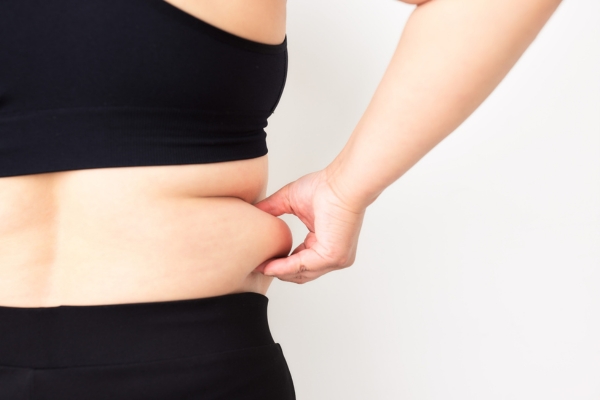
Why Belly Fat Becomes More Stubborn After 35
Why the Midsection Changes With Age
Many people notice a frustrating change as they move through their 30s and 40s: belly fat becomes harder to lose.
They may continue exercising and following the same eating habits that once worked well, yet the lower abdomen becomes softer and fat around the waistline feels more persistent.
This change is common and is not always caused by a lack of discipline.
Hormonal shifts, gradual muscle loss, stress, sleep changes, and metabolic adaptation can all influence where the body stores fat and how easily it releases it.
Understanding these changes can make it easier to set realistic goals and choose supportive strategies.
For a broader overview of available treatments, explore Non-Surgical Body Contouring in The Woodlands: Understanding Contour Light Therapy.
Why the Abdomen Stores Fat Easily
The abdominal area is strongly influenced by hormones involved in metabolism and energy storage.
These include:
insulin
cortisol
estrogen
testosterone
As hormone levels and sensitivity change with age, the body may become more likely to store fat around the waist.
Fat distribution is also influenced by genetics. Some people naturally store more weight in the hips and thighs, while others are more likely to notice changes in the abdomen.
These patterns can become more noticeable after age 35.
Learn more about resistant fat deposits in Why Some Areas of Fat Are Harder to Lose Than Others.
Insulin Sensitivity and Abdominal Fat
Insulin helps move glucose from the bloodstream into cells for energy or storage.
Over time, some people become less sensitive to insulin. When this happens, the body may need to produce more insulin to manage blood sugar.
Higher insulin levels can make stored fat more difficult to release and may encourage fat storage, particularly around the abdomen.
Factors that may affect insulin sensitivity include:
family history
low activity levels
poor sleep
chronic stress
highly processed diets
gradual muscle loss
Regular movement, balanced meals, adequate protein, and strength training can all help support metabolic health.
Cortisol and Chronic Stress
Cortisol is a hormone released during physical or emotional stress.
In short bursts, cortisol helps the body respond to challenges. However, ongoing stress may keep cortisol elevated for longer periods.
Chronically elevated cortisol may contribute to:
increased appetite
cravings for high-calorie foods
disrupted sleep
abdominal fat storage
difficulty maintaining healthy habits
Stress alone does not explain every change in body composition, but it can make progress more difficult.
Supporting sleep, recovery, and stress management may be just as important as increasing exercise.
Estrogen Changes in Women
During perimenopause and menopause, estrogen levels begin to fluctuate and eventually decline.
Estrogen influences where fat is stored in the body. Before menopause, women may be more likely to store fat around the hips and thighs.
As estrogen declines, fat distribution may shift toward the abdomen.
This can happen even when overall body weight changes very little.
Other changes during this stage of life may include:
reduced muscle mass
sleep disruption
lower energy
increased appetite
changes in insulin sensitivity
These combined factors can make abdominal fat feel more resistant than it did earlier in life.
Testosterone and Muscle Mass
Testosterone supports muscle maintenance in both men and women.
Levels may gradually decline with age, particularly in men. Lower testosterone can contribute to reduced muscle mass and changes in body composition.
Because muscle tissue uses more energy than fat tissue, losing muscle may slightly reduce daily calorie expenditure.
Without regular resistance training, adults may gradually lose muscle beginning in their 30s.
This does not mean metabolism suddenly stops working. Rather, small changes can accumulate over time, especially when activity levels also decline.
Why Strength Training Matters
Strength training can be especially helpful after age 35 because it supports lean muscle mass.
Maintaining or increasing muscle may help:
support metabolic health
improve insulin sensitivity
increase strength
create a firmer body shape
reduce age-related muscle loss
Walking and cardiovascular exercise are beneficial, but resistance training provides a different type of support.
A balanced exercise routine often includes both regular movement and strength-based activity.
Metabolic Adaptation Can Slow Fat Loss
Repeated dieting or long periods of calorie restriction may cause the body to become more efficient at conserving energy.
This process is known as adaptive thermogenesis.
As the body adjusts:
resting energy expenditure may decline
hunger may increase
spontaneous movement may decrease
weight loss may slow
This is one reason a strategy that produced quick results in the past may become less effective over time.
It may be more useful to review overall nutrition, protein intake, recovery, and exercise quality than to continually reduce calories.
Read Why Stubborn Fat Stops Responding to Diet and Exercise for a closer look at fat-loss plateaus.
Why Belly Fat Can Be More Resistant
Fat cells are not identical throughout the body.
Different regions contain varying numbers and types of receptors that influence fat storage and release.
Abdominal fat may be affected by:
hormone sensitivity
blood flow
genetics
insulin levels
stress hormones
Because of these differences, someone may lose fat from the face, arms, or upper body before noticing meaningful changes around the waist.
Targeted exercises can strengthen the abdominal muscles, but they cannot force the body to remove fat from one specific location.
Circulation and Fat Metabolism
For stored fat to be used as energy, fatty acids must be released from fat cells and transported through the bloodstream.
Areas with lower circulation may release stored fat more slowly.
The lower abdomen, hips, and thighs are common areas where progress may occur later than in other parts of the body.
Some non-surgical body contouring technologies are designed to support cellular activity and circulation in targeted areas.
These treatments are intended to complement healthy habits rather than replace them.
Learn more in Does Red Light Body Contouring Actually Work?.
Skin Elasticity Can Change the Appearance of the Abdomen
Not every change in the midsection is caused by fat.
Skin elasticity also affects how firm or defined the abdomen appears.
Collagen production gradually declines with age. Pregnancy, significant weight changes, genetics, and sun exposure can also affect the skin’s ability to contract.
As a result, the abdomen may appear softer even when body fat has decreased.
Building muscle, maintaining stable weight, eating adequate protein, and supporting skin health may help improve overall appearance.
Read Why Skin Gets Looser With Weight Loss—And What You Can Do About It for more information.
Supportive Strategies for Stubborn Belly Fat
There is no single solution that works for everyone, but several habits may support healthier body composition after age 35.
These include:
strength training several times per week
regular walking or cardiovascular activity
adequate protein intake
balanced meals with minimally processed foods
consistent sleep
stress management
sufficient hydration
avoiding repeated crash diets
Progress may occur more slowly than it did earlier in life, but that does not mean improvement is impossible.
Consistency is generally more effective than extreme short-term strategies.
When Body Contouring May Be Considered
Some people maintain healthy habits and remain near a comfortable weight but still struggle with a localized area around the abdomen.
This is often when they begin researching non-surgical body contouring.
These treatments are typically designed to support:
localized fat metabolism
circulation
cellular energy
collagen activity
skin appearance
They are not intended for major weight loss or as a substitute for exercise and nutrition.
For an overview of the available technologies, read Non-Surgical Body Contouring Options Explained.
Who May Be a Good Candidate?
Body contouring may be more appropriate for someone who:
is near a stable or goal weight
has localized areas of concern
maintains generally healthy habits
prefers a non-surgical option
has realistic expectations
is willing to complete a treatment series
People seeking dramatic or immediate weight loss may not be ideal candidates.
A proper consultation should review medical history, body-composition goals, treatment expectations, and possible contraindications.
Learn more in Who Is Actually a Good Candidate for Body Contouring?.
Final Thoughts
Belly fat often becomes more stubborn after age 35 because the body is changing.
Hormonal shifts, reduced insulin sensitivity, stress, gradual muscle loss, metabolic adaptation, circulation, and declining skin elasticity can all influence the appearance of the midsection.
These changes do not mean healthy habits have stopped working. They may simply mean that progress requires a more complete approach.
Strength training, balanced nutrition, sleep, stress support, and consistent movement remain the foundation.
For individuals who are already following these habits but continue to struggle with a specific area, non-surgical body contouring may provide an additional option for supporting body shape and skin appearance.


