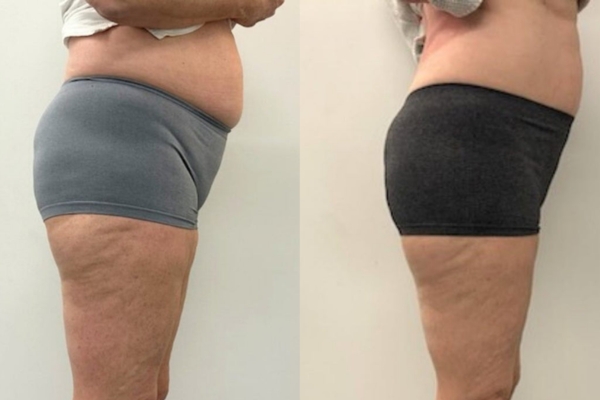
Body Contouring vs Liposuction: What’s the Difference?
Comparing Surgical and Non-Surgical Fat Reduction
When people begin researching ways to improve body shape or address stubborn fat, two common options often appear: liposuction and non-surgical body contouring.
Both approaches are designed to improve the appearance of specific areas, but they work very differently.
Liposuction surgically removes fat from the body. Non-surgical body contouring uses external technologies to influence fat tissue, skin appearance, or cellular activity without incisions.
Understanding these differences can help someone choose an option that better fits their goals, health history, comfort level, and expectations.
For a broader introduction to non-invasive treatments, explore Non-Surgical Body Contouring in The Woodlands: Understanding Contour Light Therapy.
What Is Liposuction?
Liposuction is a cosmetic surgical procedure that removes localized fat deposits.
During the procedure, a surgeon inserts a thin tube called a cannula through small incisions. The cannula is used to loosen and suction fat from targeted areas.
Common treatment areas include:
abdomen
waist
hips
thighs
back
upper arms
chin and neck
Depending on the extent of treatment, liposuction may be performed under local anesthesia, sedation, or general anesthesia.
Because fat is physically removed, liposuction can create more noticeable changes than most non-surgical treatments.
However, it also involves surgical risks, recovery time, and post-procedure care.
What Is Non-Surgical Body Contouring?
Non-surgical body contouring refers to treatments intended to improve the shape or appearance of targeted areas without surgery.
These treatments do not use incisions or surgical suction.
Common technologies include:
cryolipolysis, or fat freezing
ultrasound-based treatments
radiofrequency energy
laser or light-based therapies
red light body contouring
Each technology works differently.
Some treatments heat, cool, or disrupt fat cells. Others are designed to support circulation, cellular activity, collagen production, or fat-cell metabolism.
Red light body contouring, for example, uses specific wavelengths of light intended to interact with cells and support normal biological processes.
Learn more in How Red Light Therapy Supports Cellular Energy and Metabolism.
The Main Difference: Surgery vs. Non-Surgery
The most significant difference is the level of invasiveness.
Liposuction May Involve:
anesthesia
small surgical incisions
suction-assisted fat removal
compression garments
activity restrictions
post-operative monitoring
Non-Surgical Body Contouring May Involve:
external treatment devices
no incisions
no general anesthesia
shorter treatment appointments
little or no scheduled downtime
a series of sessions
For someone who wants a more significant change and is comfortable with surgery, liposuction may be worth discussing with a qualified plastic surgeon.
For someone who prefers a gradual, non-invasive option, body contouring treatments may be more appealing.
How Results Differ
Liposuction removes fat directly, so it can usually produce a more substantial change in one procedure.
Initial changes may be visible relatively quickly, although swelling can temporarily affect the final appearance.
Full results may take time to become clear as the treated tissues heal.
Non-surgical body contouring generally produces more gradual and modest changes.
Because these treatments do not surgically remove large amounts of fat, they are typically used to refine specific areas rather than create dramatic weight loss.
Results may be evaluated through:
circumference measurements
progress photographs
clothing fit
changes in the shape of targeted areas
The outcome depends on the technology, treatment plan, starting body composition, and individual response.
Treatment Frequency
Liposuction is often completed in one surgical procedure, although some people may undergo more than one treatment depending on their goals.
Non-surgical body contouring is commonly performed as a series.
Multiple sessions may be scheduled over several weeks because the treatments rely on gradual biological changes rather than immediate surgical removal.
Consistency may help support a more measurable response over time.
Read Why Consistency Matters With Body Contouring Treatments for more information about treatment programs.
Recovery and Downtime
Recovery is an important difference between the two options.
Liposuction Recovery
After liposuction, a patient may experience:
swelling
bruising
soreness
fluid drainage
numbness
activity limitations
Compression garments may also be recommended.
Recovery varies depending on the treatment area, the amount of fat removed, the surgical technique, and the individual’s health.
Non-Surgical Body Contouring Recovery
Most non-surgical treatments involve little or no planned downtime.
Depending on the technology, temporary effects may include:
redness
tenderness
mild swelling
warmth
sensitivity
temporary numbness
Many people can return to normal activities shortly after treatment.
However, non-surgical does not mean completely risk-free. The provider should explain the possible side effects of the specific device being used.
Risks and Safety Considerations
Liposuction carries the risks associated with surgery and anesthesia.
Potential complications may include infection, bleeding, fluid accumulation, contour irregularities, changes in skin sensation, and reactions to anesthesia.
The specific risks should be reviewed with a board-certified plastic surgeon.
Non-surgical body contouring has a different risk profile.
Possible side effects depend on the technology and may include redness, swelling, discomfort, bruising, numbness, burns, or uneven results.
A thorough health evaluation is important before either option.
Read Is Non-Surgical Body Contouring Safe? for a more detailed overview.
Who May Consider Liposuction?
Liposuction may be considered by someone who:
wants a more noticeable change
has localized fat deposits
is near a stable weight
is comfortable undergoing surgery
can follow recovery instructions
has realistic expectations
has been medically cleared for the procedure
Liposuction is not a treatment for obesity and is not intended to replace healthy lifestyle habits.
It also may not correct significant loose skin unless combined with another surgical procedure.
Who May Consider Non-Surgical Body Contouring?
Non-surgical body contouring may appeal to someone who:
wants to avoid surgery
is near a stable or comfortable weight
has a specific stubborn area
prefers little or no downtime
is comfortable with gradual changes
is willing to complete multiple sessions
understands that results may be modest
These treatments are generally intended for body shaping rather than major weight loss.
Learn more in Who Is Actually a Good Candidate for Body Contouring?.
Skin Tightening Considerations
Reducing fat does not always create tighter skin.
Skin appearance depends on:
collagen levels
age
genetics
sun exposure
pregnancy history
the amount of fat reduced
how long the skin has been stretched
Some non-surgical technologies aim to support collagen activity while improving body contour.
However, mild skin support should not be confused with the removal of significant loose skin.
Liposuction also does not automatically tighten loose skin. In some cases, removing fat may make existing skin laxity more noticeable.
Read Why Skin Gets Looser With Weight Loss—And What You Can Do About It for more information.
Cost Considerations
The cost of liposuction may include:
surgeon fees
anesthesia
facility charges
surgical garments
medications
follow-up care
Non-surgical body contouring is usually priced by session, treatment area, or program.
A single non-surgical session may cost less than surgery, but completing an entire series can affect the total investment.
Cost should be considered alongside the expected result, treatment time, recovery requirements, and possible need for additional sessions.
Are the Results Permanent?
Neither option prevents future weight gain.
With liposuction, the removed fat cells do not grow back. However, remaining fat cells can enlarge if a person gains weight.
Non-surgical treatments may also produce longer-lasting changes when someone maintains a stable weight and healthy habits.
Results from either approach may be affected by:
weight fluctuations
pregnancy
aging
hormonal changes
changes in activity or nutrition
Maintaining a relatively stable lifestyle is important for protecting results.
Which Option Is Better?
Neither option is universally better.
The right choice depends on the individual.
Liposuction may be more appropriate for someone seeking a larger, more immediate change and who accepts the risks and recovery associated with surgery.
Non-surgical body contouring may be more appropriate for someone seeking a gradual change without incisions, anesthesia, or significant downtime.
Important questions to consider include:
How much change do I want?
Am I comfortable with surgery?
How much downtime can I manage?
Am I willing to complete several sessions?
Is my concern mainly fat, loose skin, or muscle tone?
Are my expectations realistic?
A qualified provider can help determine which type of treatment is more appropriate based on health history, goals, and body composition.
Final Thoughts
Liposuction and non-surgical body contouring both aim to improve the shape of targeted areas, but they use very different methods.
Liposuction surgically removes fat and may create a more significant result in one procedure. It also involves anesthesia, recovery, and surgical risks.
Non-surgical body contouring uses external technologies to support gradual changes with less downtime, but the results are usually more modest and may require multiple sessions.
The best option depends on the desired outcome, treatment area, health history, budget, tolerance for downtime, and comfort with surgery.
Understanding these differences makes it easier to choose an approach that aligns with both personal goals and realistic expectations.


