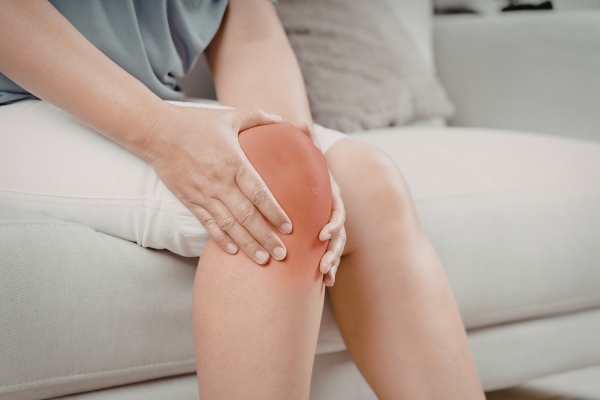
3 Signs Your Knee Pain Is Progressive — and What To Do
If your knee pain has slowly gone from “annoying” to “limiting,” you may be dealing with something many adults miss:
Progressive knee pain.
This means the problem is not just flaring occasionally—it is gradually worsening over time.
Many people normalize the changes:
“I’m just getting older.”
“I need to slow down now.”
“It’s probably normal arthritis.”
“I’ll deal with it later.”
But when knee pain is progressively shrinking your mobility, confidence, and lifestyle, waiting often makes recovery harder.
At Knee Studio, we help adults identify the early warning signs before surgery feels like the only remaining option.
The good news?
Progressive pain does not always mean you need surgery now.
But it usually means it’s time to act.
If your knee feels worse than it did six months ago, schedule a Free Knee Relief Discovery Call here.
What Progressive Knee Pain Usually Means
Progressive pain often reflects a combination of factors worsening together:
Arthritis changes
Strength decline
More inflammation
Less movement
Weight gain
Poor mechanics
Reduced confidence
Compensation patterns
It is rarely just one thing.
That’s why many people need more than pain pills or rest to truly change the trajectory.
For a full guide to non-surgical options, read our pillar page:
Knee Pain Relief in The Woodlands: Non-Surgical Options Before Knee Replacement
Sign #1: Your Activity World Keeps Getting Smaller
This is often the earliest and most important sign.
You may notice:
Shorter walks than before
Avoiding stairs
Saying no to outings
Standing less at events
Avoiding travel
Needing breaks shopping
Choosing convenience over movement
Many people focus on pain levels and miss what matters more:
Your lifestyle is shrinking.
That is a strong sign the knee is progressing.
Related Reading:
Why This Matters
The less you move, the more likely you are to lose:
Strength
Endurance
Balance
Confidence
Joint tolerance
Which can accelerate decline.
Related Reading:
What To Do
Start rebuilding capacity strategically:
Short regular walks
Strength work
Mobility routines
Weight-bearing confidence
Guided progression
Sign #2: Recovery Takes Longer Than It Used To
Maybe you can still do activities—but now you “pay for it.”
Examples:
Yard work hurts for two days
Golf causes swelling after
Shopping wipes out the knee
A walk creates next-day pain
Stairs flare symptoms for hours
This often means tissue tolerance has dropped.
Your knee may not be handling normal life demands as well as before.
Why This Happens
Often due to:
Weakness
Inflammation
Reduced circulation
Deconditioning
Overload patterns
Related Reading:
What To Do
Instead of random good days and bad days:
Improve support muscles
Build consistency
Reduce boom-bust activity cycles
Improve recovery habits
Manage load better
Sign #3: You’re Starting to Trust the Knee Less
This is huge—and often emotional.
You may notice:
Holding railings now
Going downstairs sideways
Avoiding uneven ground
Hesitating before stepping down
Fear of the knee giving out
Worry during travel or crowds
When confidence drops, movement changes.
And changed movement often increases joint stress.
Related Reading:
Why Confidence Matters So Much
The body moves differently when it feels unsafe.
That can create:
Guarding
Limping
Overloading the opposite side
Less natural motion
More fatigue
Progressive pain is often physical and behavioral.
What To Do
Rebuild trust through:
Strengthening
Stability drills
Controlled movement exposure
Stair retraining
Balance work
Bonus Warning Signs Many People Ignore
You should pay attention if you also notice:
More morning stiffness
More swelling than before
Needing pain meds more often
Weight gain since pain started
Limping regularly
Missing hobbies you love
These are common progression clues.
Does Progressive Pain Mean Surgery Is Next?
Not always.
Some people truly do need orthopedic consultation.
But many others still have room to improve function first through a structured conservative plan.
The key is not guessing.
It’s understanding:
How advanced the issue really is
What has declined most
What can still improve
What path makes the most sense now
Related Reading:
What Usually Works Better Than Waiting
Waiting often leads to:
More weakness
More compensation
More weight gain
Lower confidence
Tougher rehab later
Earlier action often preserves more options.
That may include:
Strength rebuilding
Mobility improvement
Weight management
Circulation support
Better movement mechanics
Related Reading:
Who Should Act Soonest
You should strongly consider evaluation if:
You’re worse than 6–12 months ago
Stairs are becoming difficult
Walking distance is shrinking
The knee feels unreliable
You’re avoiding life because of it
Injections help less now
Related Reading:
If your knee pain is gradually taking more from your life, book your Free Knee Relief Discovery Call here.
What We Focus On at Knee Studio
We look beyond pain scores.
We assess:
Strength loss
Stability decline
Walking tolerance
Stair confidence
Movement patterns
Lifestyle impact
Future goals
Because progressive pain is about function—not just soreness.
Final Thoughts
The biggest mistake many adults make is waiting until the knee becomes unbearable.
Progressive knee pain usually gives warning signs first.
If your world is getting smaller, recovery is taking longer, and trust in the knee is fading—it’s time to act.
That does not automatically mean surgery.
It means it’s time for clarity, strategy, and a smarter plan.
Take the first step before the problem progresses further. Schedule your Free Knee Relief Discovery Call today.


